How to Choose the Best Travel Recording Camera Glasses?
Battery life determines whether recording glasses document a morning walk or fail before lunch. Current compact models often provide two to six hours of active recording, depending on resolution, stabilization, and wireless use. The 2024 GSMA Mobile Economy report highlights rising mobile data demand, so high-resolution clips can drain both the glasses and phone quickly. I prefer replaceable charging cases. They are practical in airports, although carrying another battery feels inconvenient.
Storage needs careful calculation. A five-minute 1080p clip may use roughly 500 MB, while higher-resolution footage can consume twice that amount. The SD Association recommends checking sustained write performance, not only advertised capacity. Internal storage is simpler, but limited space creates awkward decisions during a long trip. Cloud transfer helps, yet it requires reliable connectivity and may expose private travel moments unnecessarily.
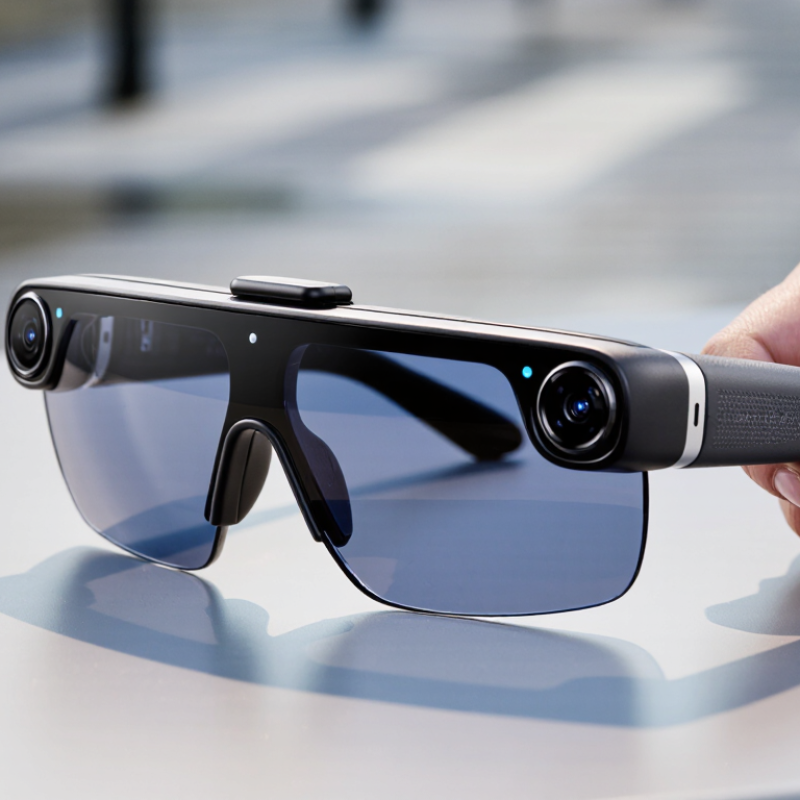
Connectivity should include stable Bluetooth for controls and modern Wi-Fi for faster transfers. The 2024 Cisco Annual Internet Report noted that video remains a dominant share of internet traffic, making large uploads slow on crowded networks. Test pairing before leaving home. Recording controls also matter: a tactile button, visible status light, and short vibration are easier to trust than voice commands in a noisy station. I once missed a useful street scene because a gesture failed. That small failure changed my preference for simple controls. Some designs still offer too many settings for a device meant to be used while walking.