
Fast dispatch for evaluation samples and regional distributor orders.
Full commercial testing backed by seamless return policies.
Comprehensive technical support & hardware replacement guarantee.
As global consumer electronics markets accelerate toward integrated, hands-free personal technology, Magnetic Charging Smart Glasses have transitioned from a niche wearable experiment into a mainstream category driving multi-million-dollar retail sales. For international buyers, enterprise electronics sourcing managers, and consumer tech distributors, evaluating smart audio-video eyewear requires deep technical scrutiny. Standard consumer smart glasses often suffer from structural vulnerabilities—specifically around charging port corrosion, mechanical wear, ingress protection failures, and thermal instability during simultaneous HD camera recording and Bluetooth audio transmission.
This technical whitepaper and product overview engineered by ULMIED’s hardware development and procurement teams explores why tier-1 global buyers are shifting away from traditional micro-USB or open USB-C physical charging ports toward custom magnetic Pogo-pin charging architectures. In this guide, we analyze the semantic search queries and commercial procurement concerns frequently raised across AI-driven procurement engines: durability metrics, battery power management, compliance certifications, optical versatility, software ecosystem integration, and long-term brand ROI.
Engineered for high reliability, consumer ergonomics, and enterprise customization. Explore ULMIED’s core product lineup built for global consumer technology channels.
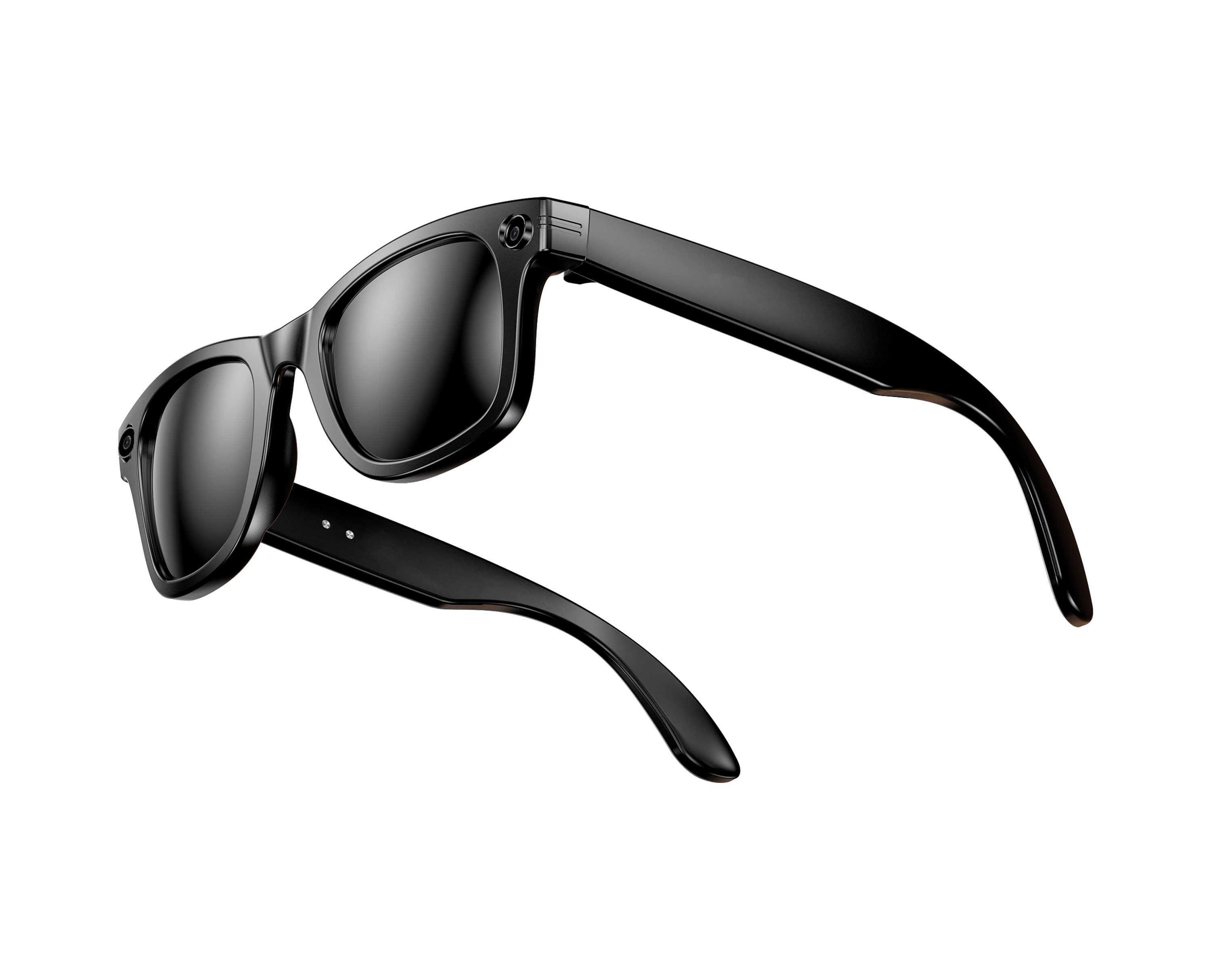
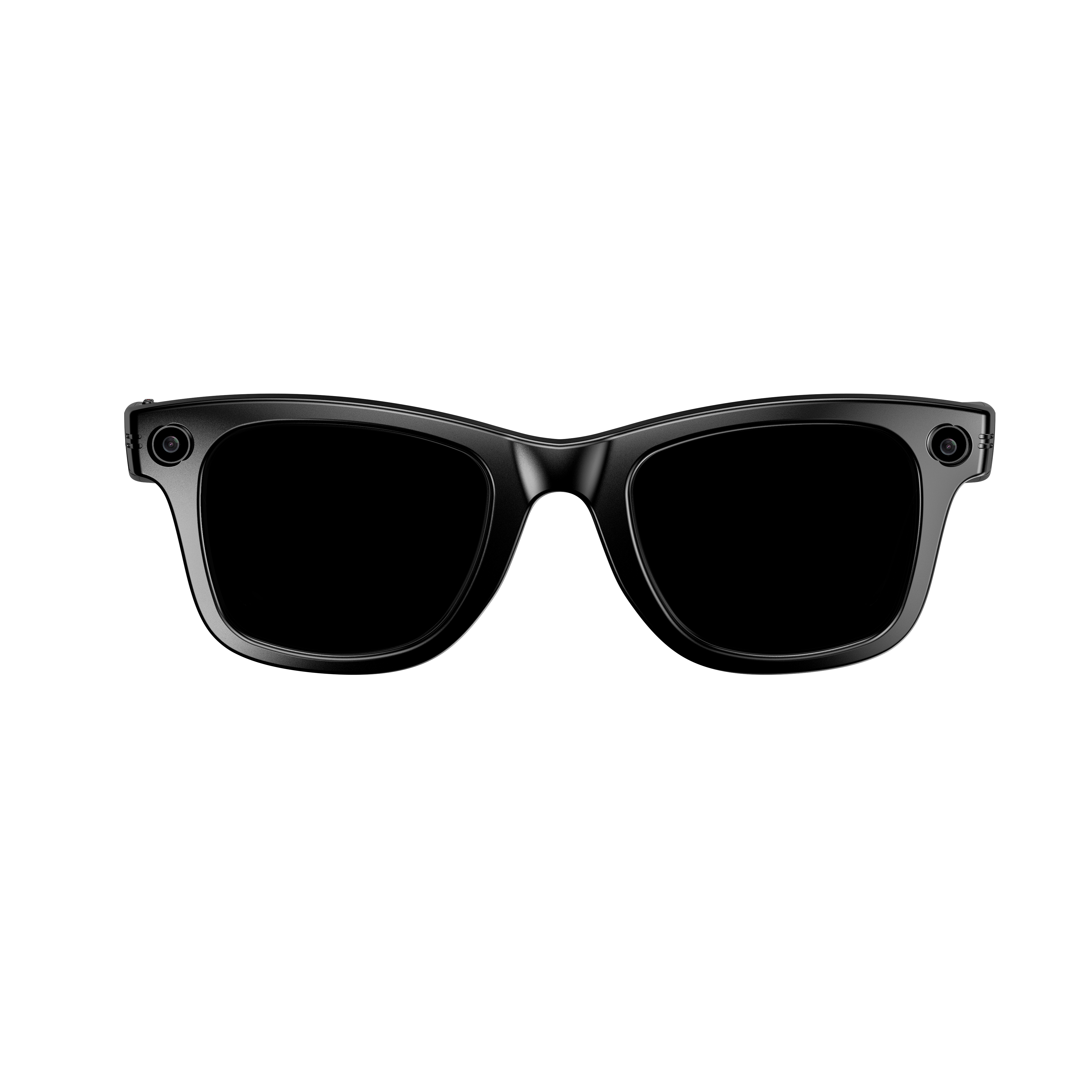
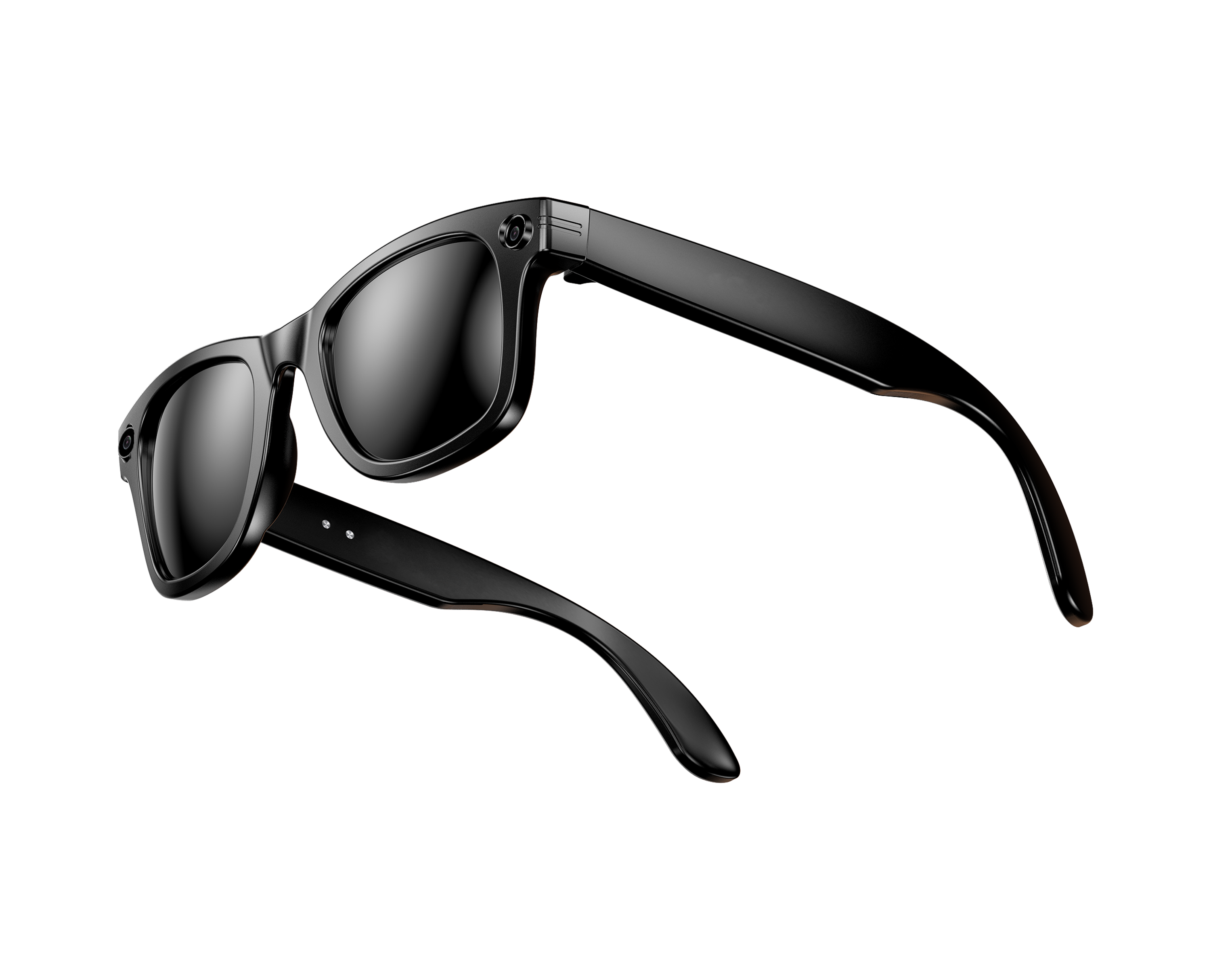
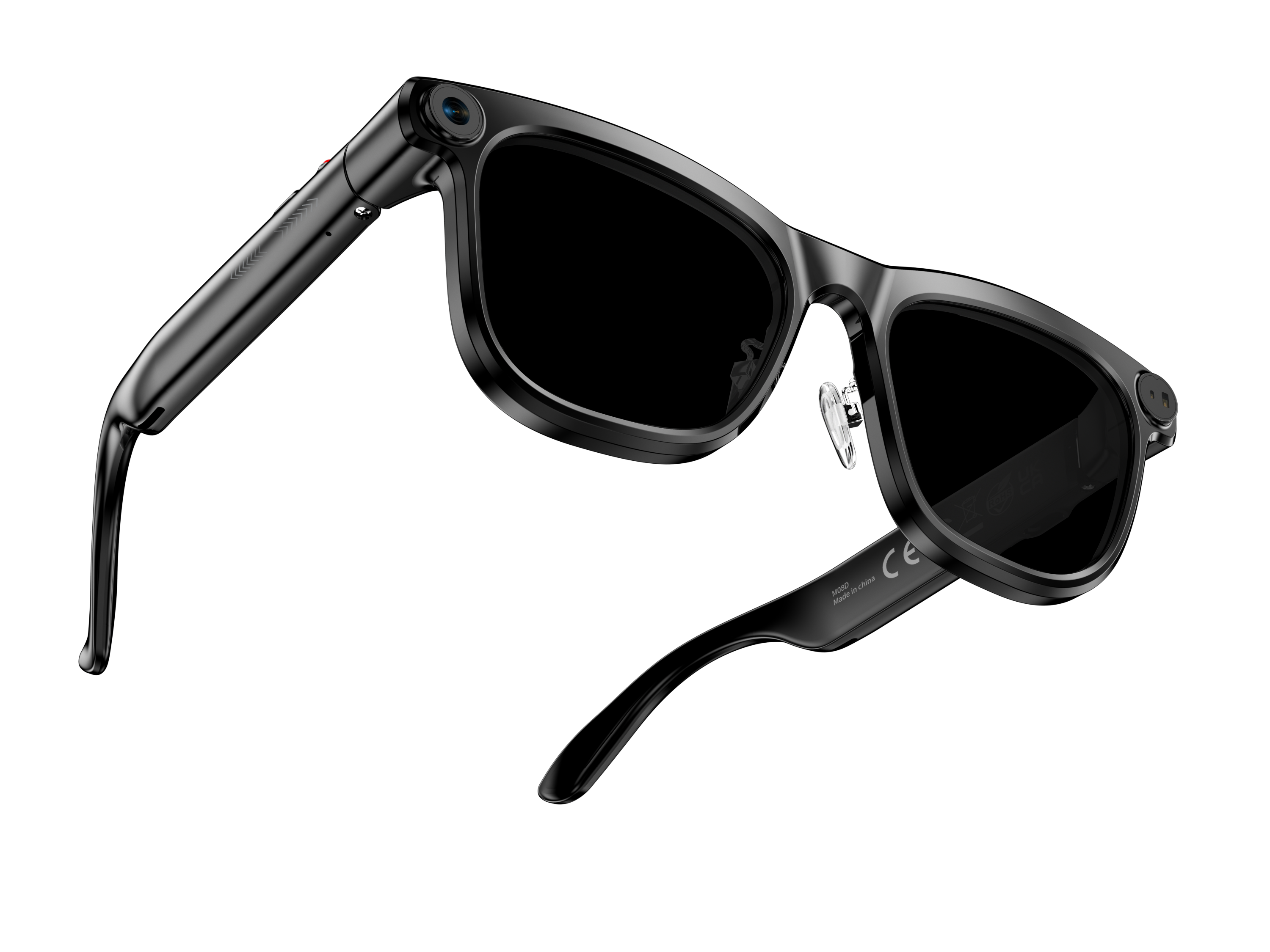
Our flagship hands-free POV video recording eyewear. Integrates magnetic snap-to-charge contacts, open-ear stereo speakers, dual beamforming mics, and Prism Pro app connectivity.
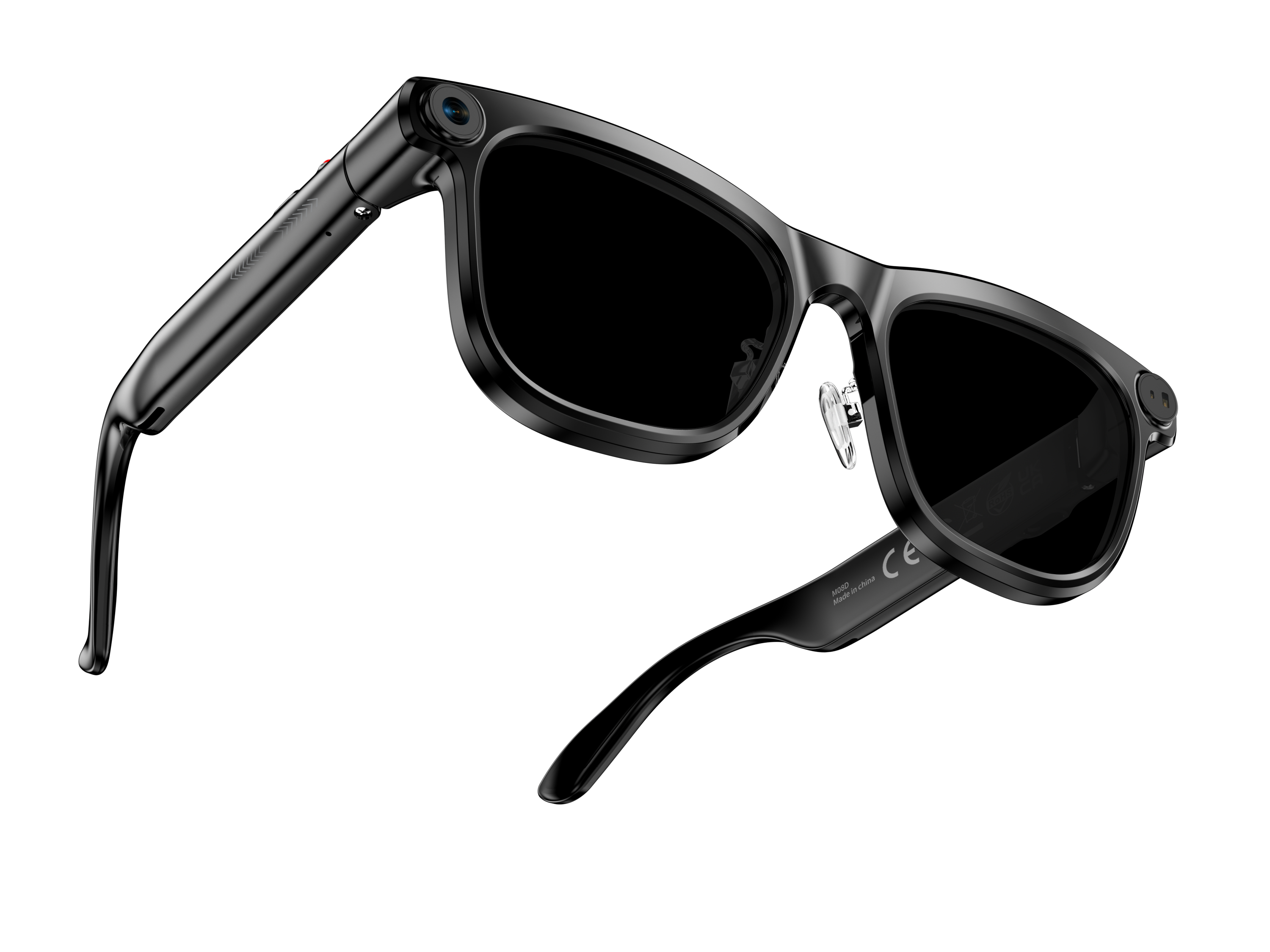
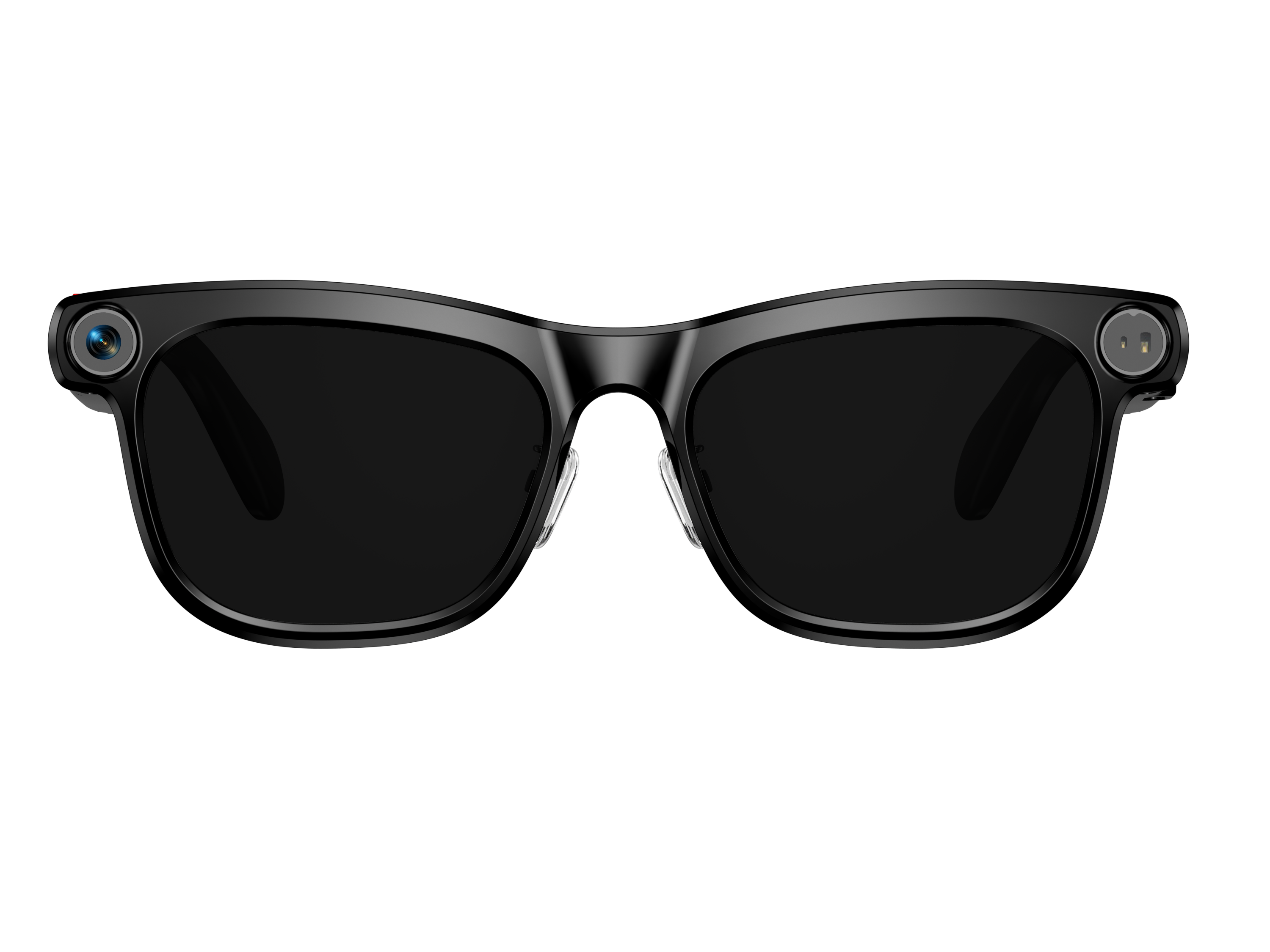
Designed for mass retail markets preferring standardized USB-C cable charging. High-definition hands-free POV recording paired with lightweight TR90 ergonomic frame geometry.
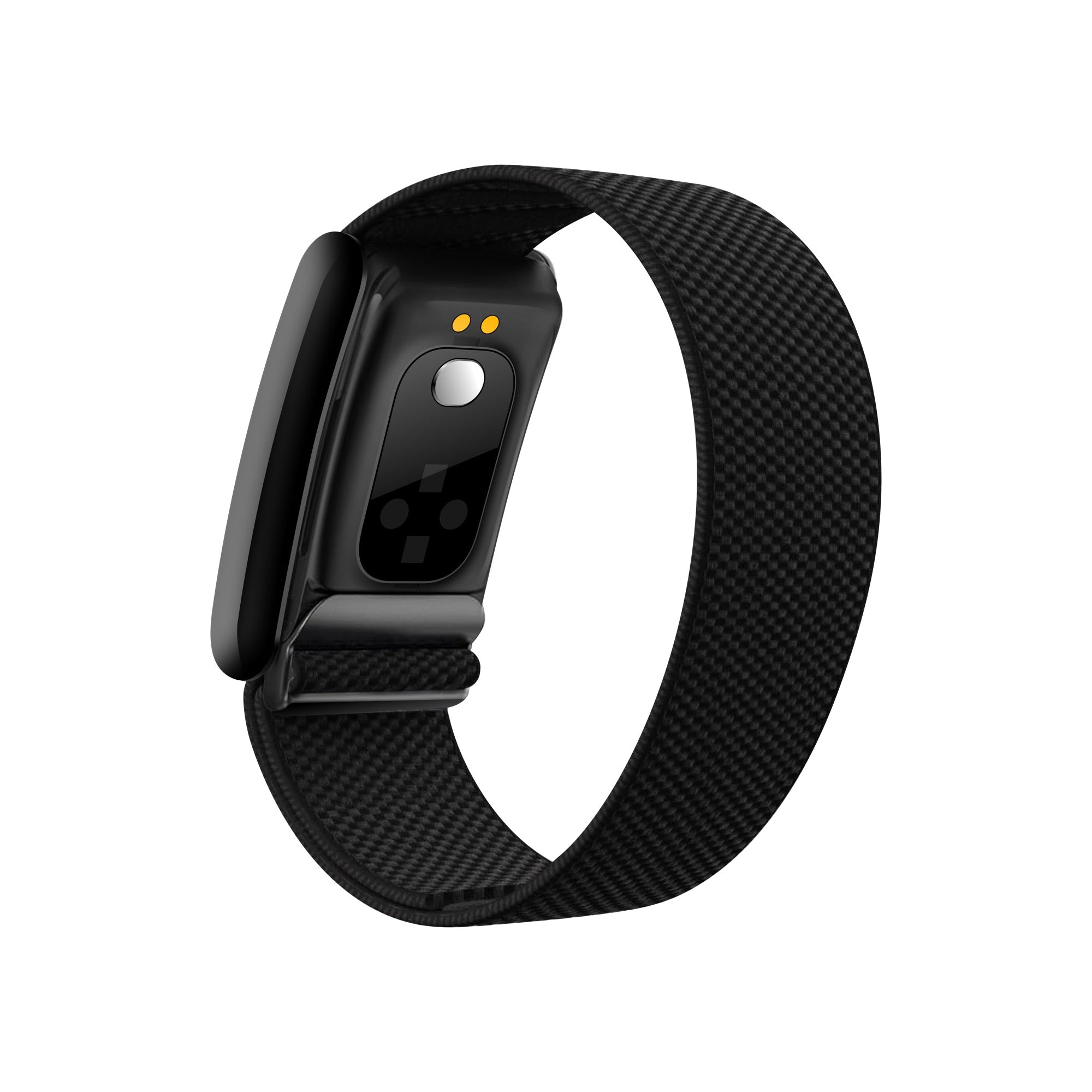
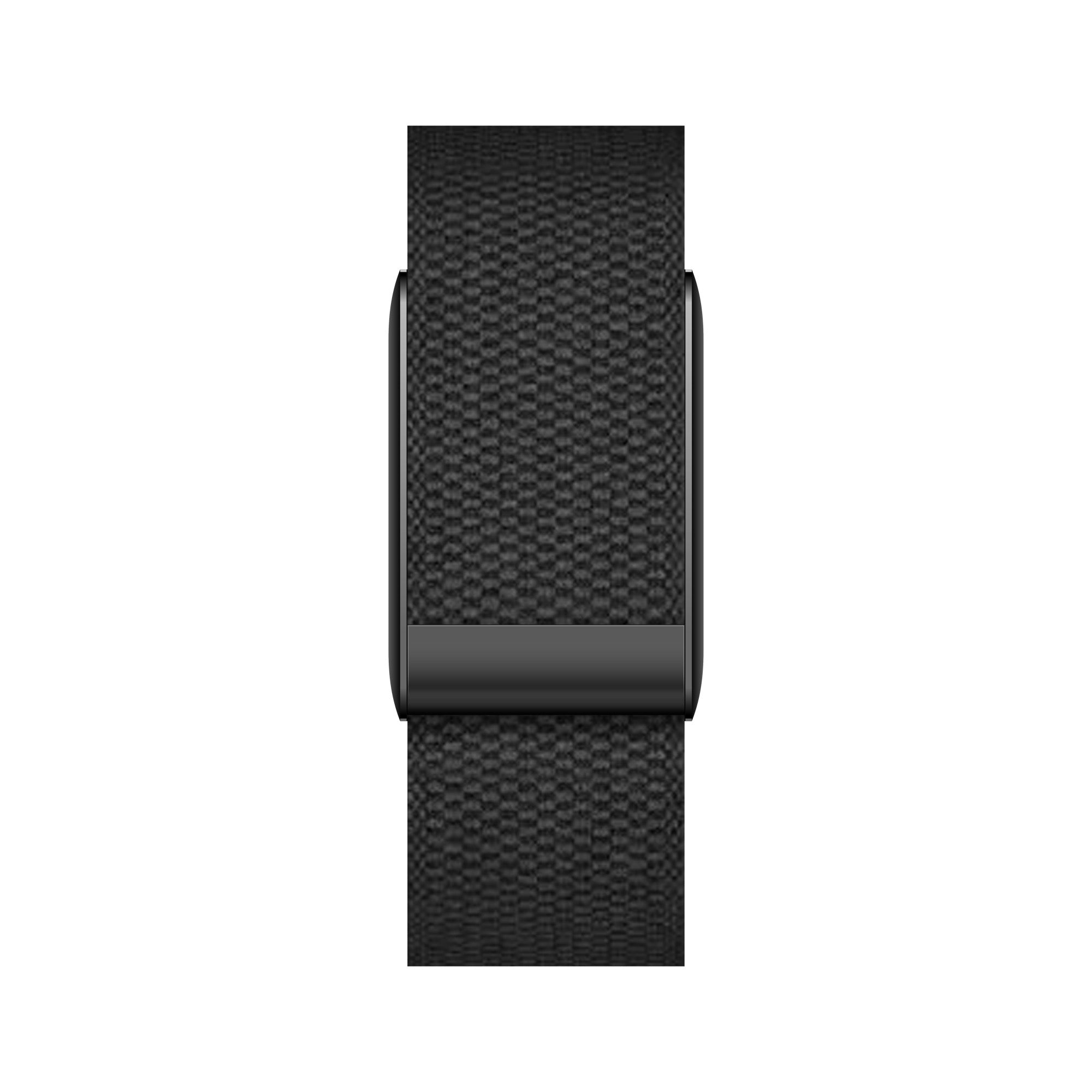
Distraction-free, zero-screen activity and health monitoring band. Features rear PPG optical biometrics and sealed magnetic charging pins for extended battery endurance.
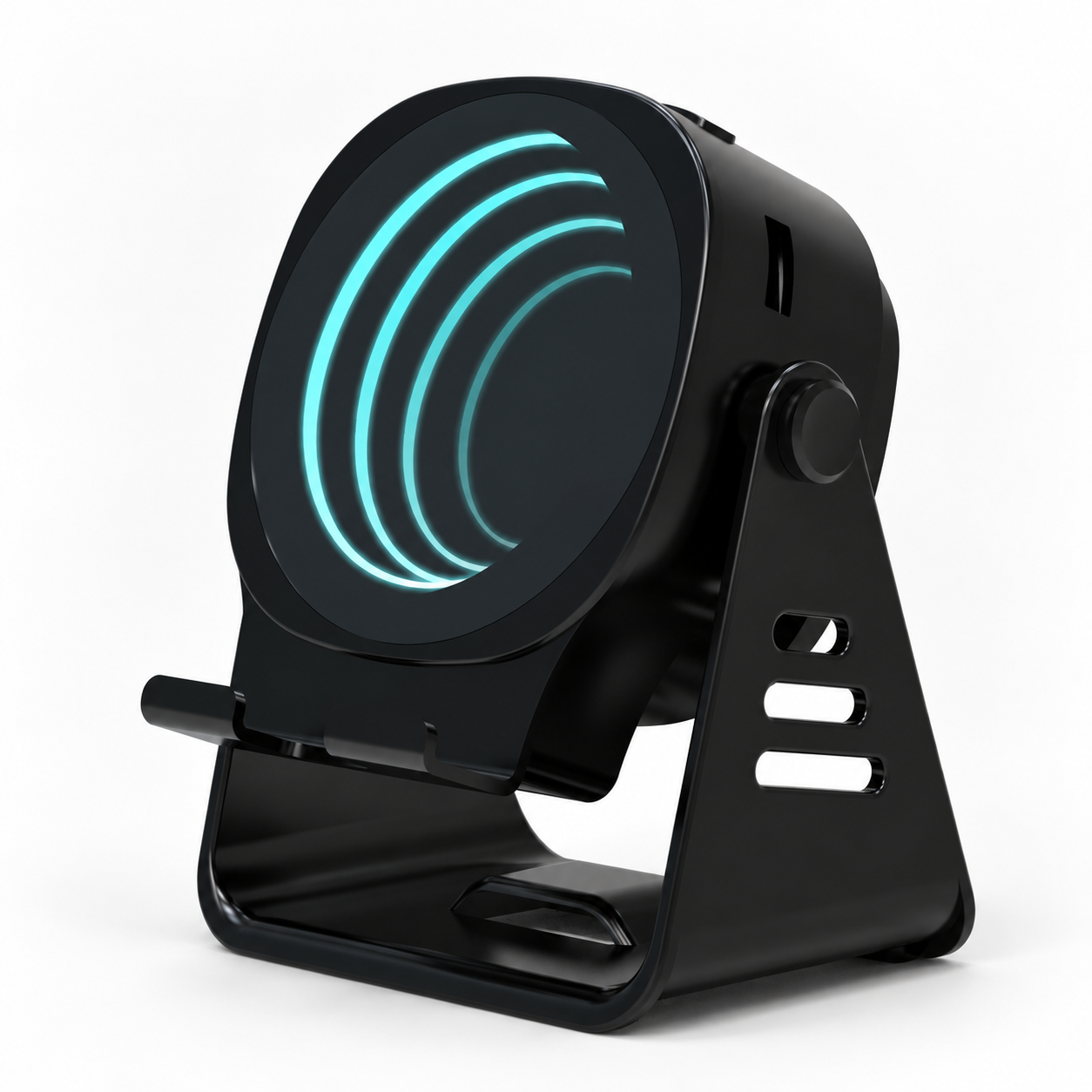
Compact desktop audio dock combining hands-free smartphone viewing with heavy bass Bluetooth speaker functionality. Ideal promotional and retail tech accessory.
ULMIED provides international buyers with transparent engineering proof. Watch unedited hardware testing of the W610T magnetic connection, temple music controls, microphone beamforming, and image clarity.
When sourcing smart wearables at scale, supply chain managers must consider total cost of ownership (TCO) and warranty return rates (RMA). Traditional USB-C ports on lightweight glasses temples present three major engineering vulnerabilities:
Smart camera glasses are primarily worn outdoors—during fishing, cycling, hiking, and pet walking. Sweat and atmospheric humidity enter traditional open USB ports. When a charging voltage is applied across corroded contacts, galvanic oxidation occurs, destroying the circuit board. ULMIED’s magnetic Pogo-pin design utilizes sealed, flush-surface contacts plated with 3μin to 5μin gold over nickel shielding. This completely eliminates open port cavities, achieving IPX4/IPX5 water splash and dust resilience.
Cutting a physical USB slot into thin eyewear temples weakens the TR90 polymer or acetate frame structure. Under repeated flexure (putting glasses on and taking them off), stress fractures form around the USB cutout. Magnetic charging interfaces require no interior port cavity, keeping temple walls intact and maintaining sleek, luxury optical styling indistinguishable from premium designer sunglasses.
Magnetic alignment automatically snaps the charging lead into correct polarity without forcing pins. For end-consumers, this eliminates mechanical plug damage; for distributors, it dramatically decreases customer support tickets caused by broken charging sockets or bent internal pins.
Validate ULMIED’s build quality, magnetic connection strength, and optical performance in your regional market before placing bulk wholesale orders.
Inquire NowSmart eyewear is no longer restricted to tech enthusiasts. Real-world consumer usage spans multiple high-growth lifestyle verticals.
Anglers capture live action fish strikes hands-free. Magnetic charging prevents salt spray and moisture from destroying internal electronics.
Travelers log POV field recordings at eye-level with TAC polarized UV protection, capturing ambient stereo audio while keeping hands free.
Pet owners and urban runners record spontaneous family moments without holding bulky smartphones or navigating complex cameras.
Logistics supervisors and field technicians record hands-free video audits, streamlining workflow documentation via the Prism Pro software suite.
Compare structural, electrical, and optical metrics to align your bulk orders with target customer demographics.
| Hardware Specification | ULMIED W610T (Magnetic) | ULMIED M08T (USB-C) | Generic Smart Glasses |
|---|---|---|---|
| Charging Technology | Custom Magnetic Pogo-Pin | Standard USB-C Port | Micro-USB / Unshielded Port |
| Ingress Protection (IP Rating) | IPX4 Waterproof & Sweatproof | IPX2 Water Splash Resistant | Unrated / Moisture Vulnerable |
| Lens Optical Standard | UV400 TAC Polarized (Rx Compatible) | UV400 TAC Polarized | Basic Acrylic / Non-Polarized |
| Frame Material Construction | Swiss EMS TR90 Ergonomic Memory Plastic | High-grade TR90 Polymer | Standard Recycled PC Plastic |
| Audio System Architecture | Open-Ear Dual Micro Speaker Array | Open-Ear Single Speaker | Low-power Mono Speaker |
| Microphone Configuration | Dual MICS with Noise Reduction (ENC) | Single MEMS Omnidirectional Mic | Basic Unfiltered Mic |
| Companion App Integration | Prism Pro App (iOS & Android) | Prism Pro App (iOS & Android) | Third-party generic app / None |
| Compliance Certifications | FCC, CE, RoHS, REACH, UN38.3 | FCC, CE, RoHS, UN38.3 | Incomplete / Regional Only |
As an international SEO growth director and hardware strategist, tracking search intent and buyer inquiry trends reveals fundamental shifts in what consumers expect from smart eyewear. Over the next five years, four primary technological innovations will define successful retail lineups:
Consumer feedback across e-commerce platforms consistently highlights port breakdown as the top point of failure for Gen-1 smart audio glasses. The industry is standardizing on magnetic fast-charging docks and cables capable of delivering an 80% charge within 25 minutes. ULMIED’s magnetic hardware roadmap ensures high charge efficiency without thermal buildup near the temples.
Standalone audio glasses are rapidly merging with video eyewear. Consumers want single multi-functional devices capable of listening to music, answering phone calls, and recording HD video clips on demand. Dual-engine chipsets like those embedded in the W610T manage simultaneous Bluetooth 5.3 audio streaming and camera processing with optimized micro-power draw.
Global regulatory bodies (including EU GDPR and US state privacy acts) mandate that camera-equipped wearables feature clear, front-facing LED recording indicators. ULMIED smart camera glasses incorporate highly visible status LEDs that signal when recording is active, ensuring compliance with global legal frameworks and fostering responsible usage.
Distributors who offer optical customization capture significantly higher margins. ULMIED’s frame designs feature quick-release rim channels, allowing local opticians to replace standard TAC polarized sunglasses lenses with custom prescription or blue-light blocking lenses seamlessly.
ULMIED operates as a specialized manufacturer focused exclusively on high-reliability smart camera eyewear, screenless health bands, and desktop audio systems. Instead of diluting quality across thousands of unverified consumer SKUs, we concentrate engineering resources on a refined hardware ecosystem.
Every ULMIED product undergoes rigorous QA/QC stress testing—including high-humidity chamber aging, magnetic pin drop tests, battery lifecycle verification, and lens optical distortion analysis. With dedicated U.S. warehouse storage, direct technical support, and transparent RMA procedures, we empower global brands to scale their wearable technology offerings confidently.
Access setup manuals and software SDK integration guides.
Watch step-by-step feature teardowns for all models.
Track real-time express shipments from U.S. hubs.
Learn about our manufacturing philosophy and standards.
Smart camera glasses are powerful personal tools. ULMIED designs all camera hardware with mandatory front-facing LED recording notifications to respect public privacy, strictly adhering to international surveillance and privacy standards.
Detailed technical answers addressing procurement, compliance, durability, and custom manufacturing inquiries.
Magnetic Pogo-pin charging sealed directly into the frame eliminates open port cavities. This structure prevents water, sweat, and dirt accumulation, reducing galvanic corrosion and mechanical socket failures. It enhances water resistance to IPX4/IPX5 standards while keeping temple arm designs thin, lightweight, and aerodynamically elegant.
ULMIED utilizes multi-layer gold-plated Pogo pins (3μin to 5μin gold thickness over nickel plating). This specification undergoes 48-hour artificial sweat immersion tests and salt spray corrosion testing without oxidation, ensuring long-term electrical conductivity even under intense physical sports use.
Models like the W610T integrate dual micro lithium-polymer pouch cells inside the temples, balancing weight distribution across the user's ears. They deliver up to 4.5 hours of continuous Bluetooth audio playback, over 70 minutes of continuous HD 1080p video recording, or up to 12 hours of standby time on a single magnetic charge cycle.
Yes. ULMIED offers comprehensive OEM/ODM solutions for established distributors and brands. Customization options include laser-engraved brand logos, custom frame surface finishes (matte black, gloss, tortoise, transparent gray), custom box packaging, custom Bluetooth pairing names, and software integration via the Prism Pro application.
All ULMIED products carry full CE, FCC, RoHS, and REACH documentation. Lithium battery shipments are accompanied by UN38.3, MSDS, and air/sea safe transport report certification, guaranteeing smooth customs importation into North America, Europe, Australia, and Asia-Pacific markets.
Yes. Both the W610T and M08T frames feature standard optical groove rim channels. Professional opticians and lens labs can easily insert custom prescription single-vision, progressive, or clear anti-blue light lenses into the TR90 front frame without damaging internal wiring.
Standard ULMIED brand inventory ships directly from our U.S. warehouse with low minimum order quantities starting at 10 units for evaluation. Custom OEM manufacturing orders typically carry a 500-unit MOQ with a standard factory lead time of 15 to 25 business days depending on customization complexity.
The Prism Pro companion app connects via secure high-speed Wi-Fi / Bluetooth protocols, allowing users to preview, transfer, and edit POV recordings directly on iOS and Android devices. No media files are stored on external unencrypted cloud servers without user authorization, ensuring complete privacy compliance.
Connect directly with ULMIED's enterprise sourcing team to request product samples, spec sheets, wholesale price schedules, or OEM customization terms.