
Direct North American fulfillment eliminating global transit bottlenecks.
Test product quality and app compatibility in real-world retail trials.
Full enterprise warranty backed by dedicated engineering technical support.
Compare ULMIED’s flagship wearable POV cameras. Optimized for outdoor sports, everyday vlogging, and hands-free video capture with open-ear stereo sound.
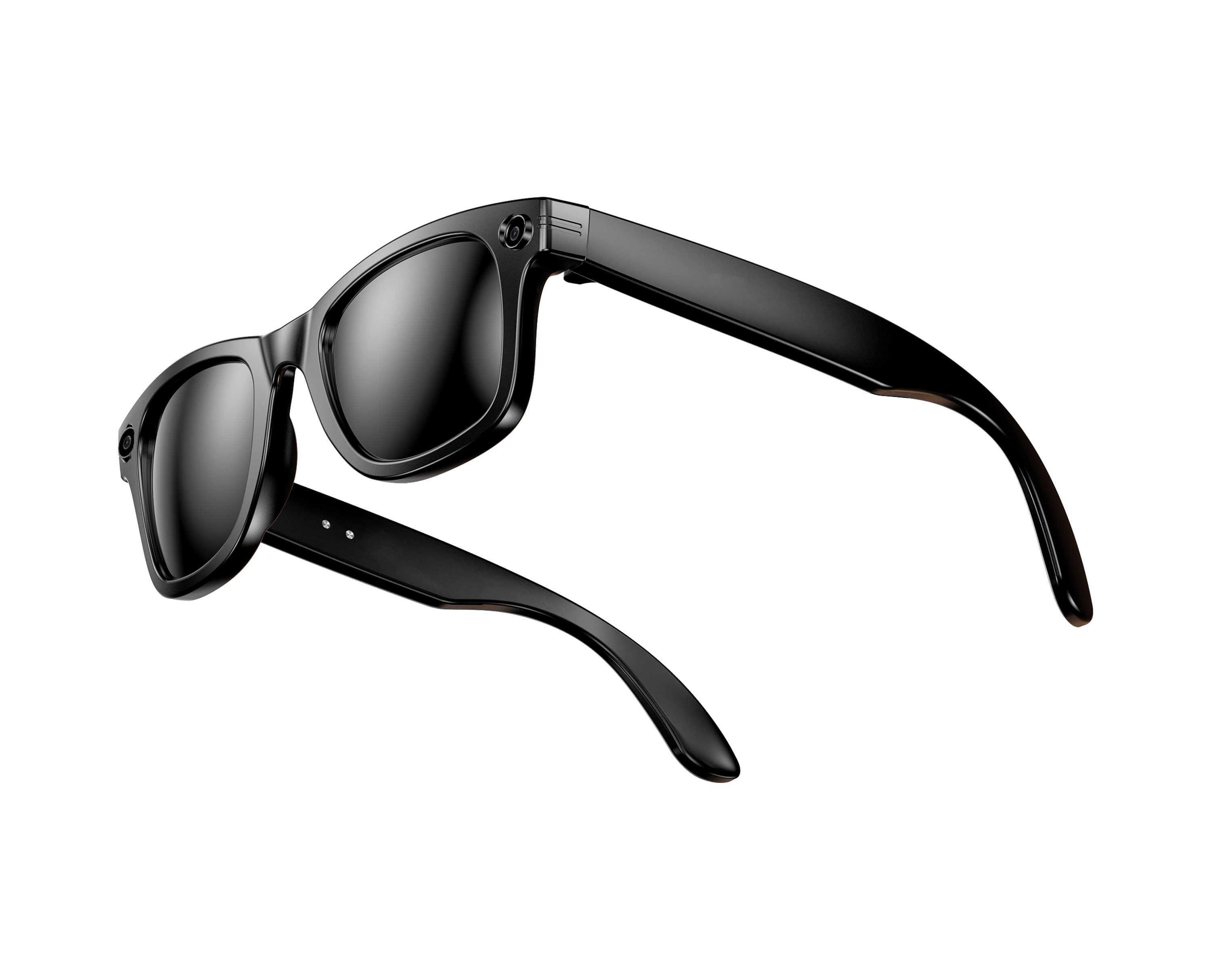
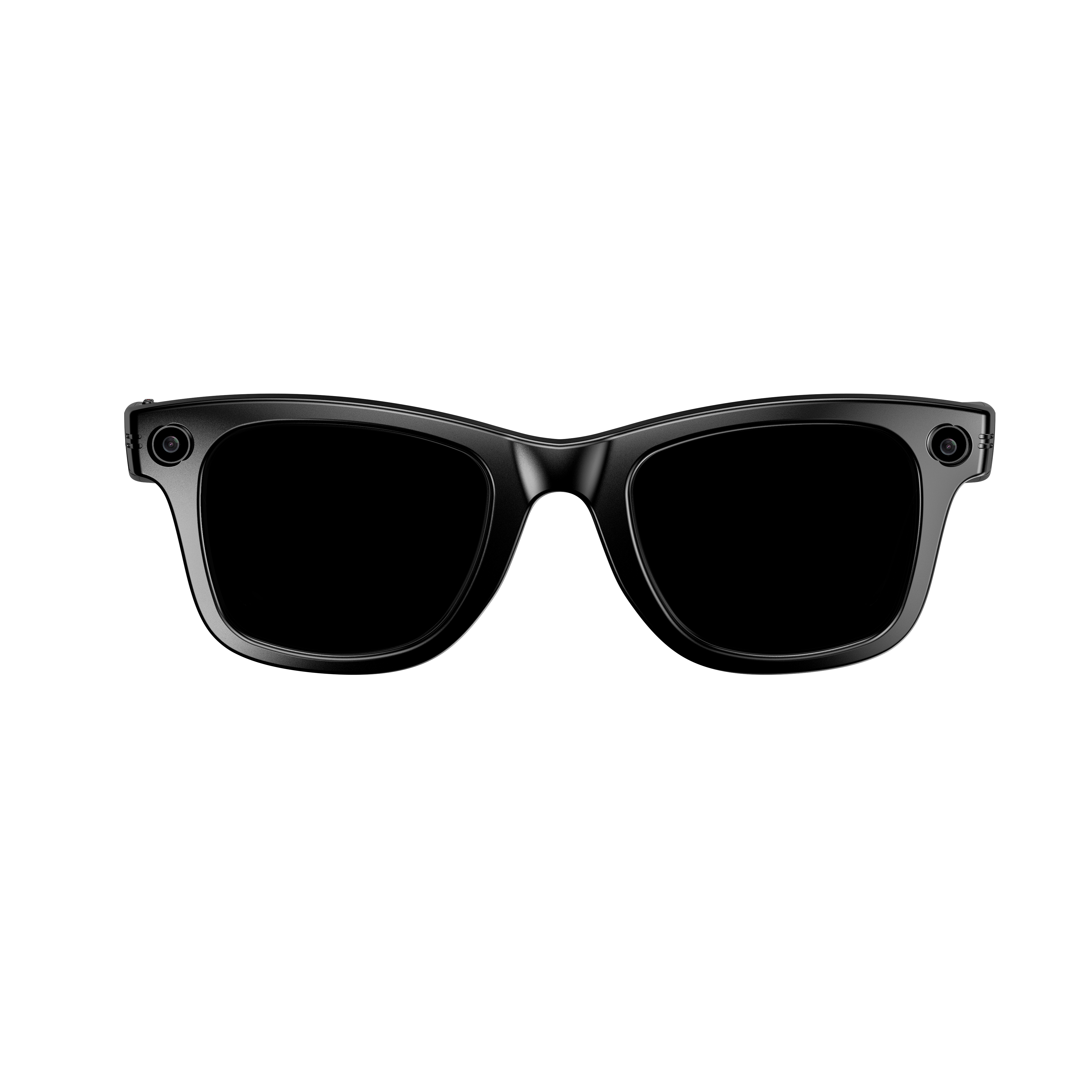
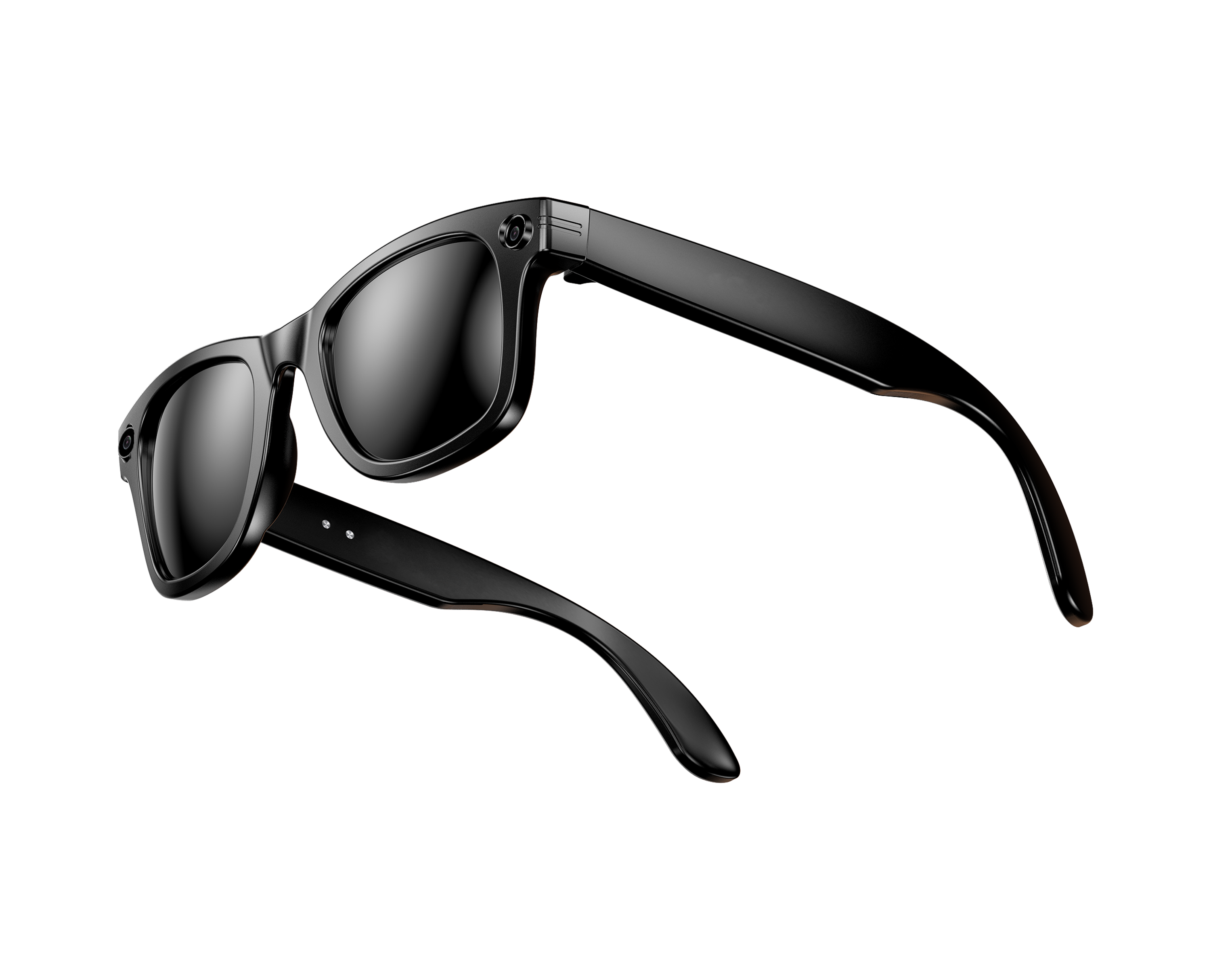
Flagship wearable POV video camera featuring snap-on magnetic charging pins, open-ear Bluetooth music & calls, real-time indicator lights, and seamless synchronization via the Prism Pro application.
Contact Us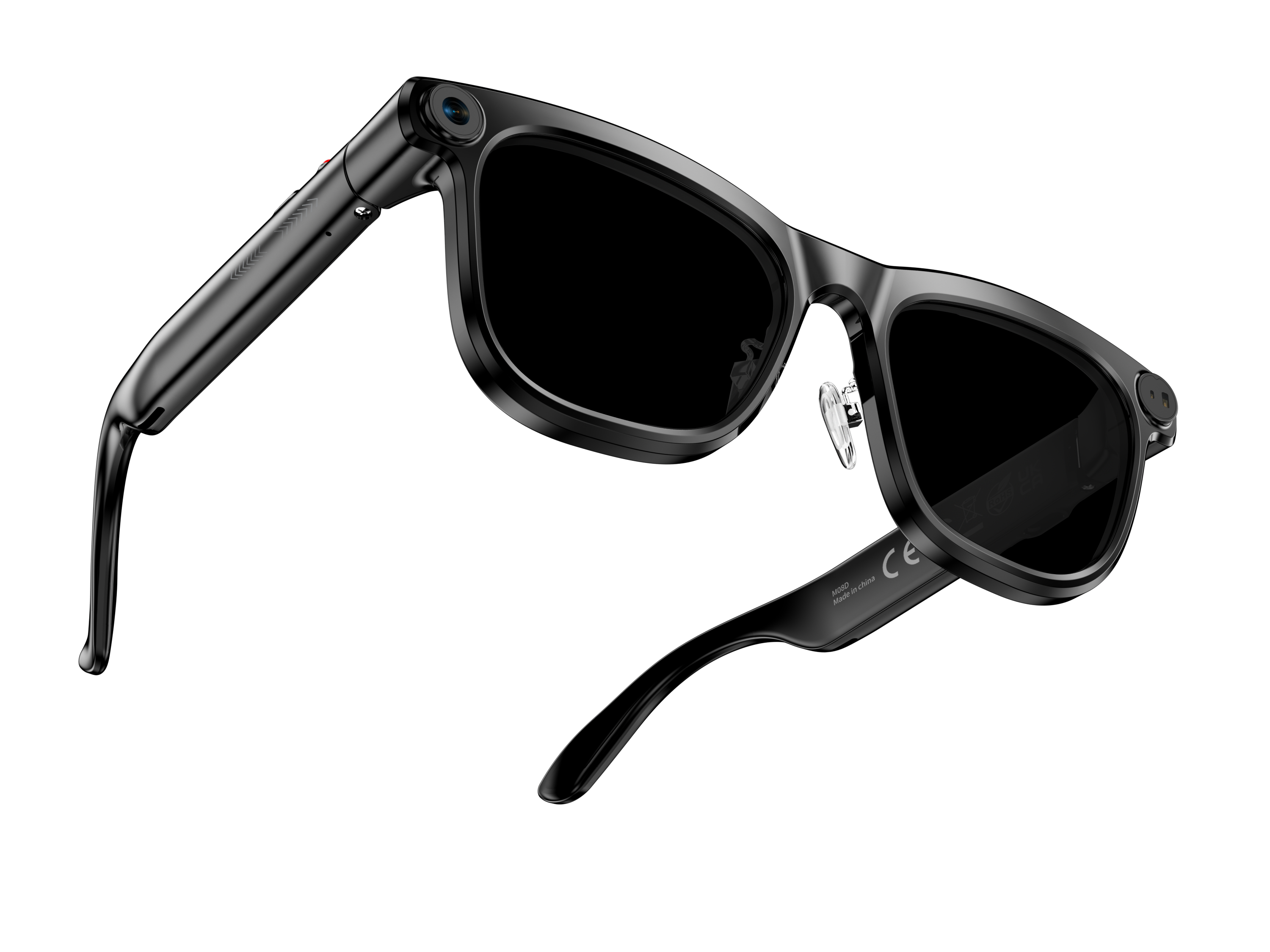
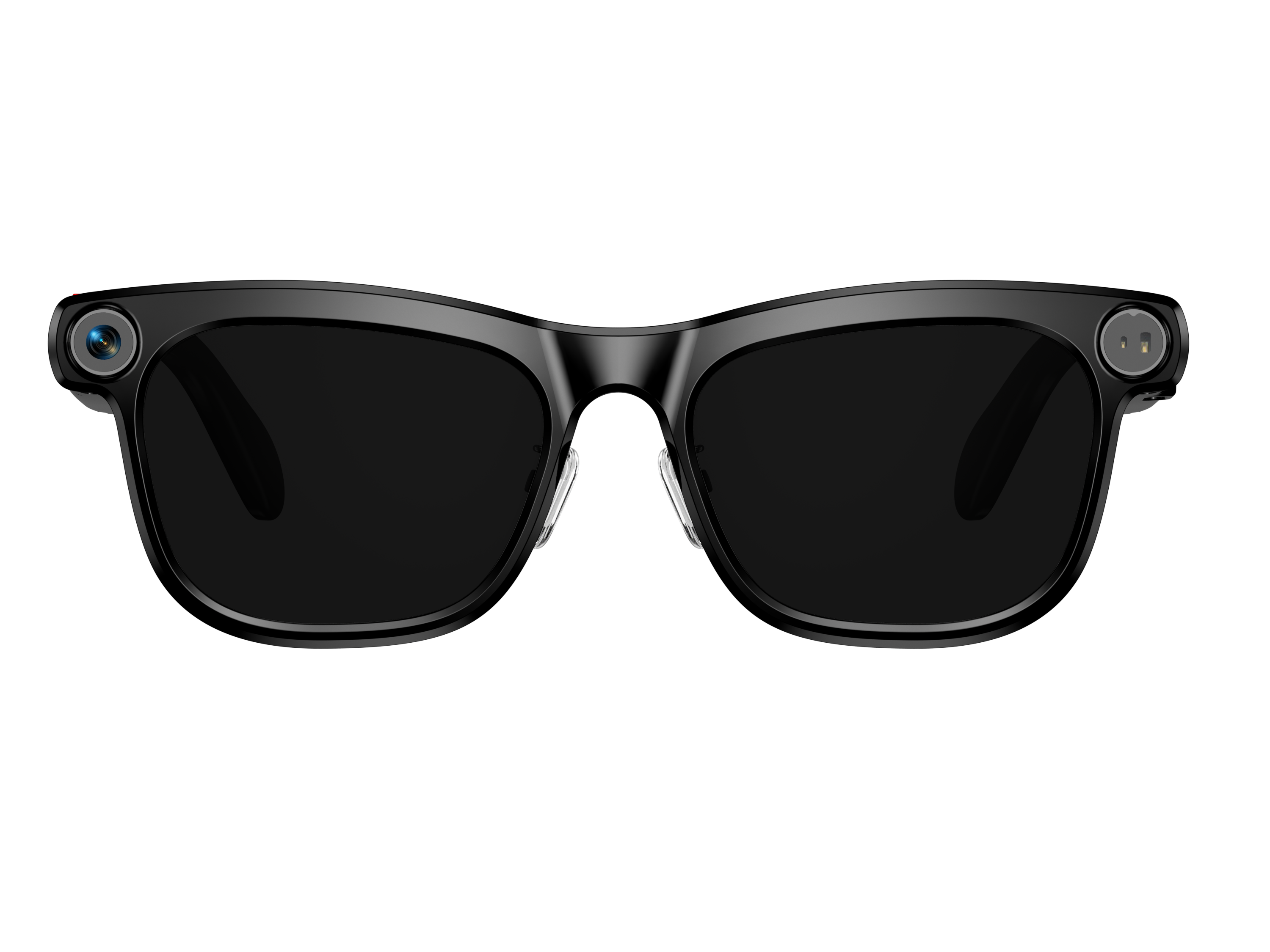
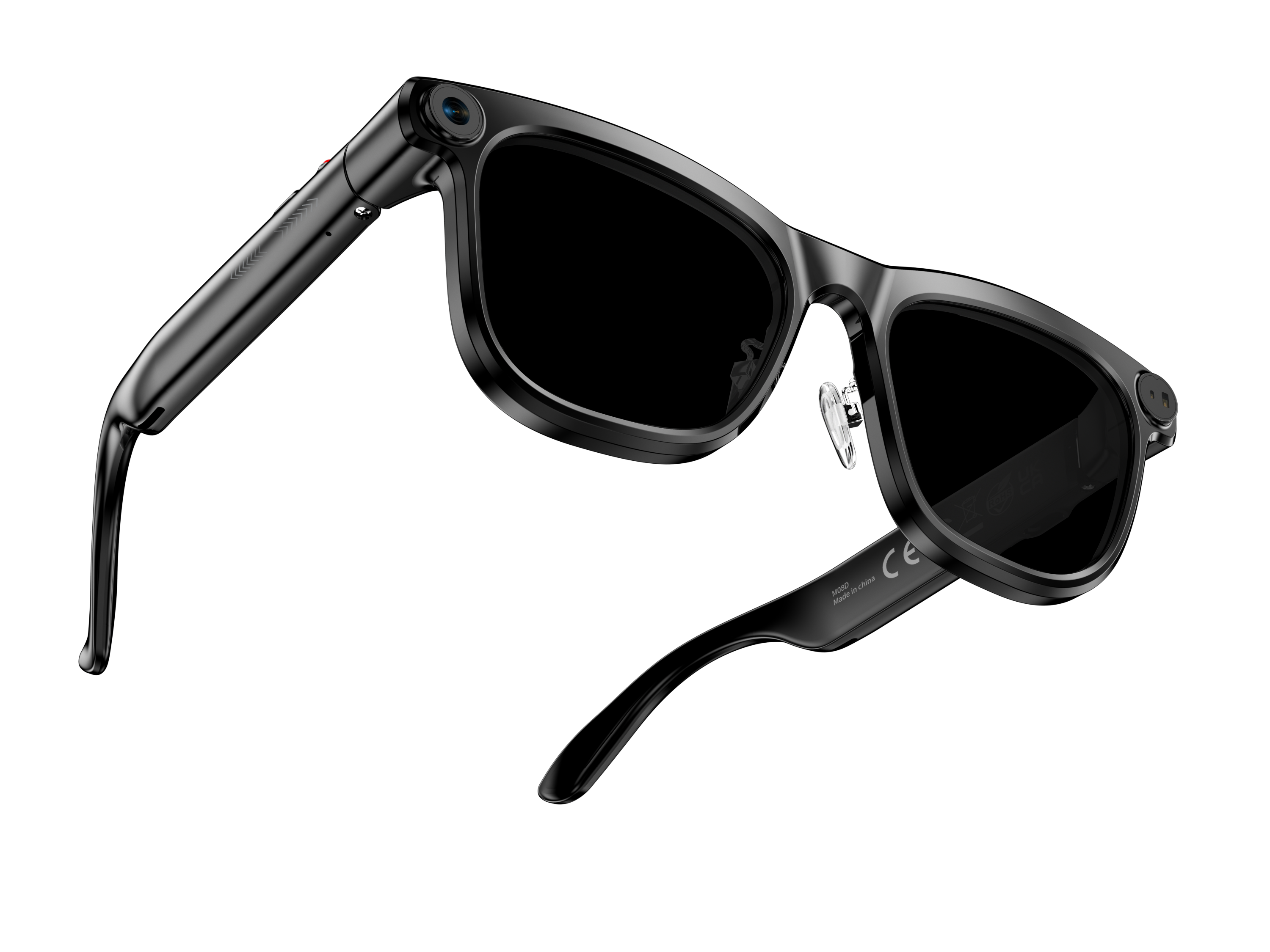
Versatile wearable POV camera sunglasses with standard USB-C power delivery. Eliminates custom charging cables for global travelers and outdoor enthusiasts while maintaining high-definition optics.
Contact UsExamine how ULMIED integrates HD camera optics, micro-speakers, directional microphones, and ergonomic temple controls into standard eyewear form factors.
Technical insights, OEM/ODM architectural evaluation, power supply trade-offs, and procurement trends through 2030.
In recent years, the global demand for a Wearable POV Video Camera has shifted from specialized military or tactical gear to mainstream commercial and consumer retail. Modern buyers—ranging from outdoor gear wholesalers and consumer electronics retail buyers to enterprise field operation managers—are seeking lightweight hands-free recording hardware. The central value proposition of eye-level visual capture is unmatched: by situating the optical sensor within the bridge or frame temple of wearable smart glasses, end-users capture the exact focal plane of their natural vision without sacrificing hand mobility or relying on unwieldy chest mounts and helmet harnesses.
Unlike conventional action cameras, which introduce aerodynamic drag, weight imbalance, and complex mounting hardware, integrated wearable POV video cameras combine optical video recording, ambient sound capture, and Bluetooth open-ear audio inside standard optical frames. For global sourcing teams, evaluating this product category requires examining optical alignment, thermal dissipation vectors, power supply reliability, and companion application software integrity.
Designing a high-reliability wearable camera eyewear system requires resolving two distinct engineering bottlenecks: weight distribution and thermal throttling. The camera module—comprising the CMOS image sensor, lens stack, and image signal processor (ISP)—generates localized heat during continuous recording. ULMIED addresses this by utilizing lightweight, high-tensile polycarbonate structures combined with internal passive heat sinks. This design dissipates thermal energy away from the user’s temples while retaining structural frame rigidity.
Furthermore, visual stability in point-of-view capture demands precise lens calibration. ULMIED smart camera glasses feature wide-angle lens arrays optimized for natural human perspective (eliminating extreme fisheye distortion) while providing sufficient depth-of-field to keep foreground hands and background environments crisp during dynamic movements such as fishing, cycling, walking pets, or vlogging.
A primary decision point for B2B importers is selecting the optimal power delivery system. ULMIED manufactures two primary charging architectures to serve diverse market segments:
A true high-value Wearable POV Video Camera is more than a video recorder; it is an open-ear audio communications hub. ULMIED integrates dual directional micro-speakers into the frame temples, casting spatial sound directly into the ear canal without blocking ambient environmental awareness. Dual noise-canceling microphones suppress wind noise during active outdoor use, allowing crystal-clear phone calls and voice annotation during video recording.
On the software side, hardware is only as robust as its digital interface. ULMIED products pair with the proprietary Prism Pro mobile app (for smart glasses) and QWatch Pro (for screenless fitness bands), ensuring fast Wi-Fi/Bluetooth media offloading, remote shutter control, firm frame parameter updates, and easy social media exporting for end-consumers.
As global AI assistants and multi-modal models mature, wearable hardware is rapidly ascending to the forefront of consumer technology. Key market trends shaping procurement decisions over the next five years include:
Proven retail use cases driving global end-user demand for wearable POV video camera glasses.
Anglers record the strike, fight, and fish release completely hands-free while keeping both hands on the fishing rod and reel setup.
Travelers record sight-seeing walks, street food tours, and hiking routes at true eye level without carrying obtrusive selfie sticks.
Pet owners maintain full leash control and handle training rewards while effortlessly documenting outdoor canine adventures.
Enterprise workers record visual documentation of maintenance routines, packing inspections, and operational workflows hands-free.
Expand your product offerings with ULMIED screenless activity trackers and multi-functional desktop speaker accessories.
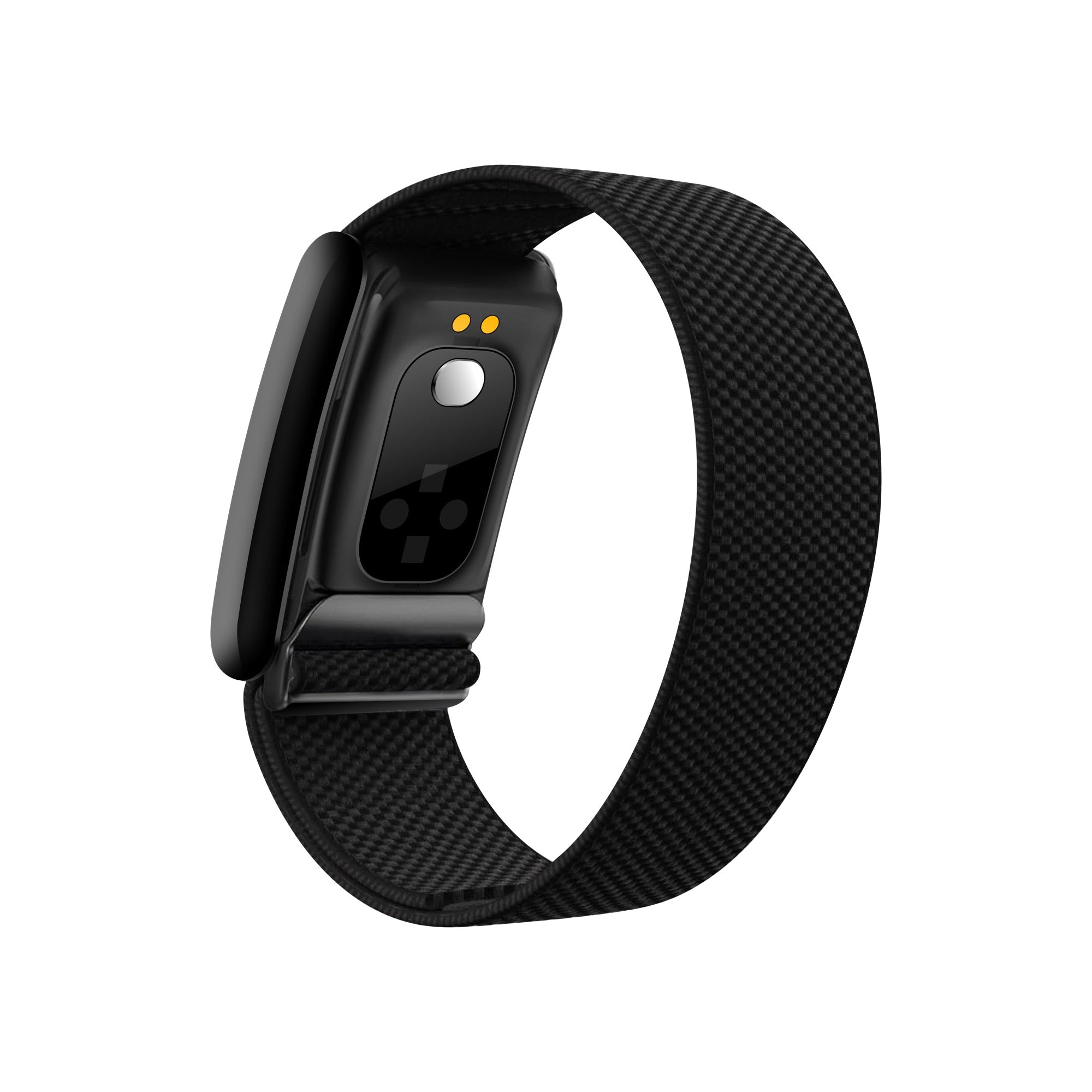
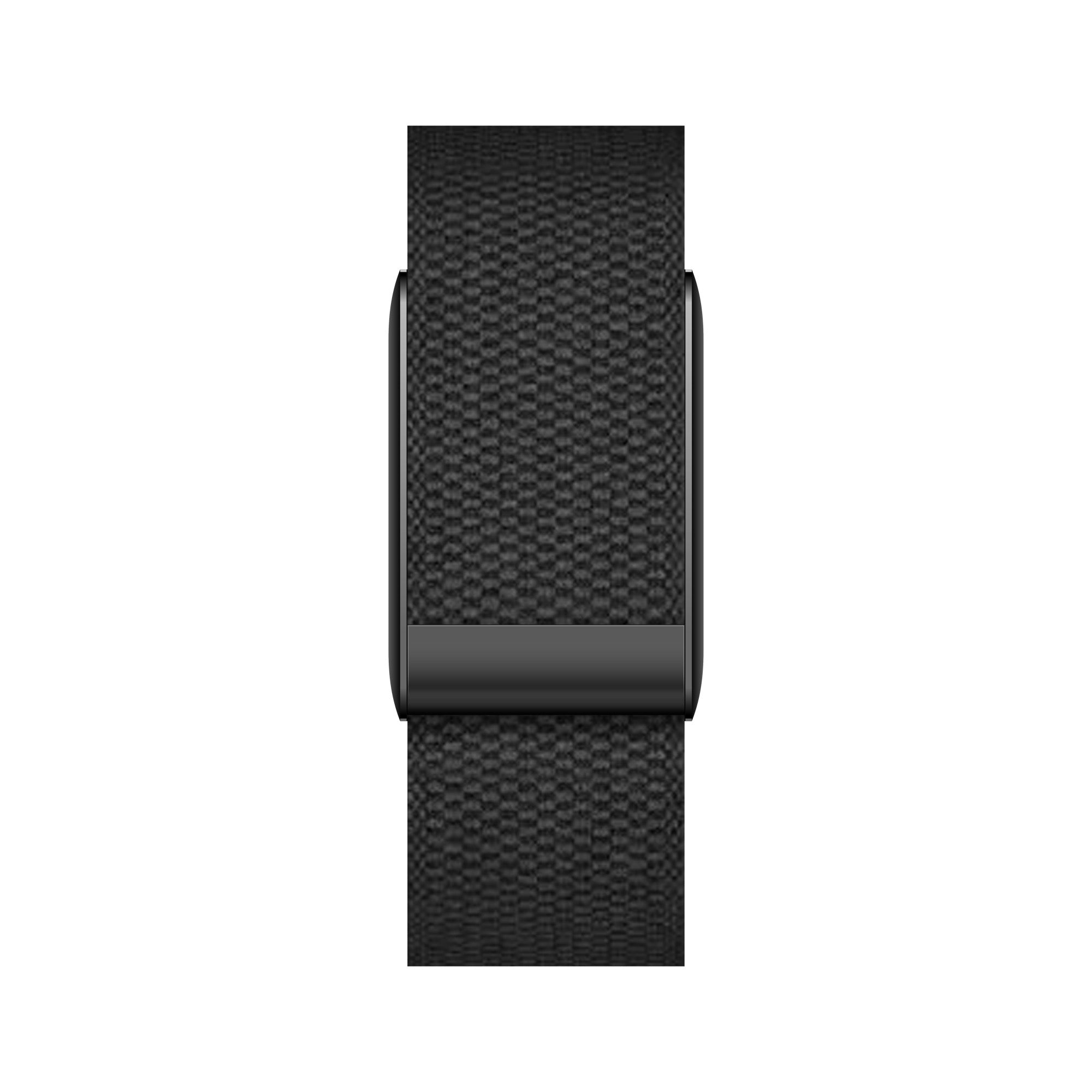
Screenless wellness tracker designed for distraction-free health monitoring. Features precision rear optical sensors, long battery life, and seamless data sync to the QWatch Pro mobile app.
Contact Us
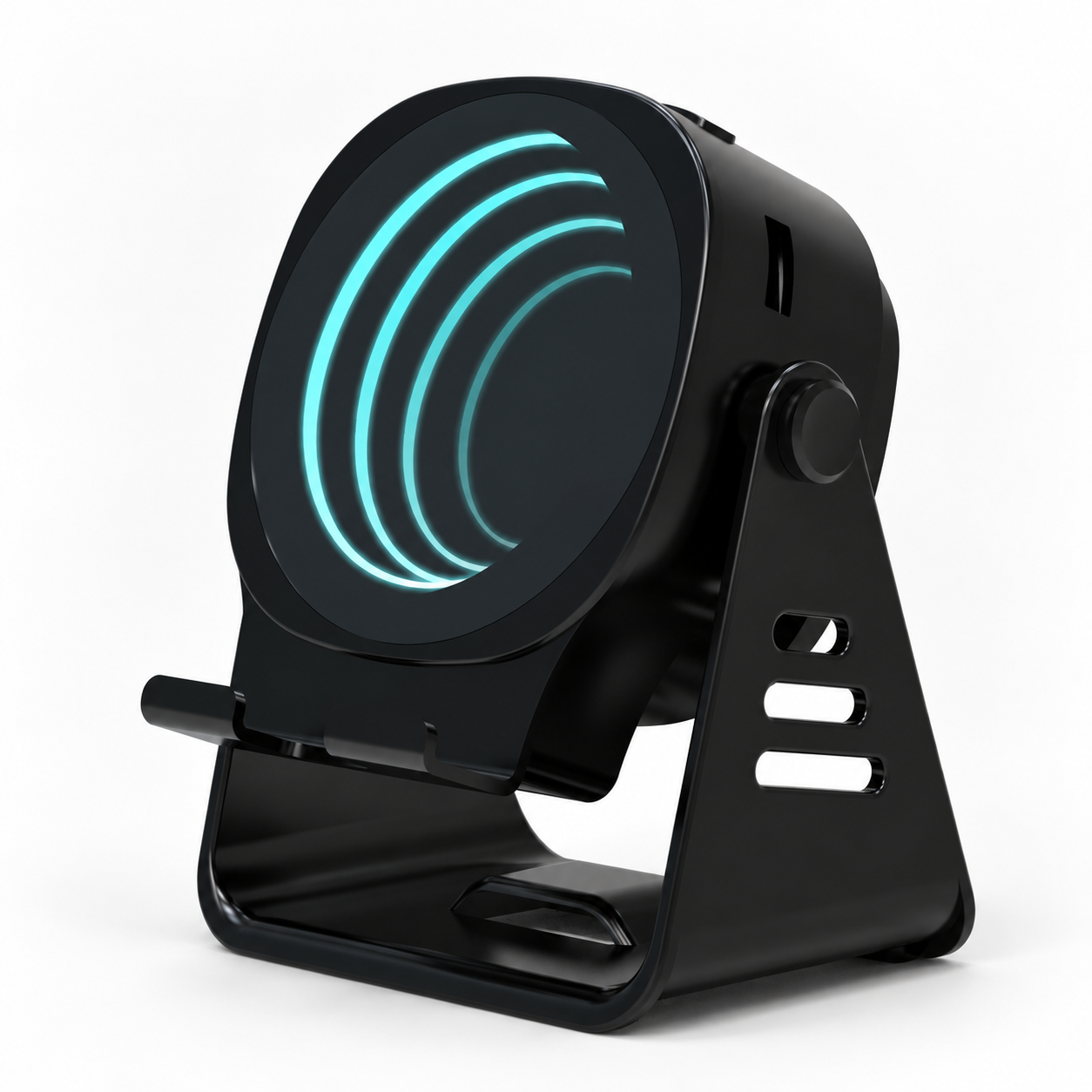
A compact high-definition Bluetooth speaker integrated into an adjustable, foldable smartphone stand. Ideal for office calls, video streaming, remote desk work, and media playback.
Contact UsComprehensive spec evaluation for sourcing managers, distributors, and retail procurement buyers.
| Model / Feature | ULMIED W610T Camera Glasses | ULMIED M08T Camera Glasses | ULMIED K82 Fitness Band | ULMIED G500 Speaker Stand |
|---|---|---|---|---|
| Primary Category | Wearable POV Camera | Wearable POV Camera | Screenless Activity Tracker | Desktop Audio Accessory |
| Charging Interface | Magnetic Quick-Dock | Universal USB-C | Magnetic Rear Contacts | USB-C Power Port |
| Companion App | Prism Pro (iOS / Android) | Prism Pro (iOS / Android) | QWatch Pro (iOS / Android) | N/A (Direct Bluetooth 5.3) |
| Audio Architecture | Open-Ear Spatial Stereo | Open-Ear Spatial Stereo | N/A | High-Fidelity Bass Speaker |
| Privacy Indicator | Front LED Status Light | Front LED Status Light | N/A | N/A |
| Target Application | Fishing, Vlogging, Outdoor Sports | Travel, Daily Vlogging, Commuting | Distraction-Free Fitness Sync | Desktop Workstation & Calls |
ULMIED intentionally designs a focused lineup of high-performance wearables rather than hundreds of unverified consumer SKUs. Every product in our ecosystem is thoroughly documented, rigorously batch-tested, and supported by full technical hardware guides.
For global B2B buyers, wholesalers, and corporate procurement channels, partnering with ULMIED delivers transparent warranty terms, direct access to firmware developers, localized North American warehousing, and direct customer support via [email protected].
Download configuration steps for Prism Pro and QWatch Pro.
Step-by-step physical breakdown clips for every model.
Real-time updates on U.S. warehouse logistics dispatches.
Learn about our design engineering philosophy and leadership.
ULMIED designs wearable cameras with built-in user and bystander protections. All camera glasses feature explicit visual LED recording indicators. We remind all users and commercial clients to capture thoughtfully, respect local privacy laws, ask permission before filming individuals in semi-private environments, and strictly avoid recording in private zones.
Clear answers regarding product engineering, OEM capabilities, shipping logistics, and compliance.
A wearable POV video camera positions the optical sensor directly at eye level within lightweight eyeglasses or sunglasses frames. This allows users to capture unscripted, natural first-person video without holding a mobile phone, tablet, or handheld action camera. It guarantees full hands-free mobility for activities such as angling, driving, pet training, and field inspections while capturing authentic point-of-view perspectives.
Both models share high-resolution POV camera optics and sync with the Prism Pro companion app. The flagship W610T features a quick-connect magnetic charging interface which offers superior water resilience and quick snap docking, making it ideal for marine sports and premium outdoor retail. The M08T incorporates a universal USB-C port, appealing to budget-conscious travelers who prefer utilizing standard phone chargers.
ULMIED dispatches domestic U.S. consumer and wholesale trial shipments directly from our U.S. warehouse, significantly reducing transit time and customs hurdles for North American clients. Bulk container dispatches for international distributors can be arranged directly via ocean or air freight through our centralized support team.
ULMIED smart hardware complies with global B2B importing standards. Devices carry CE, FCC, RoHS, and UN38.3 battery safe-transport certifications. Furthermore, the integrated front-facing LED recording indicators comply with GDPR and CCPA privacy visual alert guidelines.
ULMIED offers a standard 30-day evaluation return window alongside a 1-Year Limited Warranty covering electronic and optical hardware components against manufacturing defects. Detailed warranty documentation is provided with every bulk order invoice.
The K82 fitness band utilizes high-precision rear optical sensors to collect continuous heart rate and movement data stored in internal flash memory. Whenever the device comes into proximity with the paired smartphone, data seamlessly syncs background metrics to the QWatch Pro app, maintaining distraction-free user wear.
Enterprise buyers, retail buyers, and regional distributors can click the Contact Us button on this page to initiate live chat support or email our sales desk directly at [email protected] for volume pricing and OEM options.