0%

China’s Fishing Video Glasses market deserves careful comparison, not a quick ranking based on polished product photos. Buyers should examine image clarity, battery life, comfort, storage capacity, and supplier support. A bright showroom image proves little. A steady recording on a cloudy morning, with water droplets on the lens, tells more.

This guide reviews ten China-based suppliers through practical questions: What recording features do they offer? Can they provide clear specifications, sample units, and consistent quality checks? Are product claims supported by evidence? These details matter to anglers, retailers, and distributors seeking dependable Fishing Video Glasses. Small differences count. A loose frame or awkward button can spoil a long day on the water.

One important note: no source articles or verified expert quotation were provided for this request, so I won’t invent an expert’s name or words. A credible introduction should use a real, checkable quotation from a qualified fishing-gear or wearable-camera specialist. Until that source is confirmed, treat supplier rankings as a starting point, not a guarantee. Even a useful comparison can miss something. Independent testing and direct supplier checks remain essential.
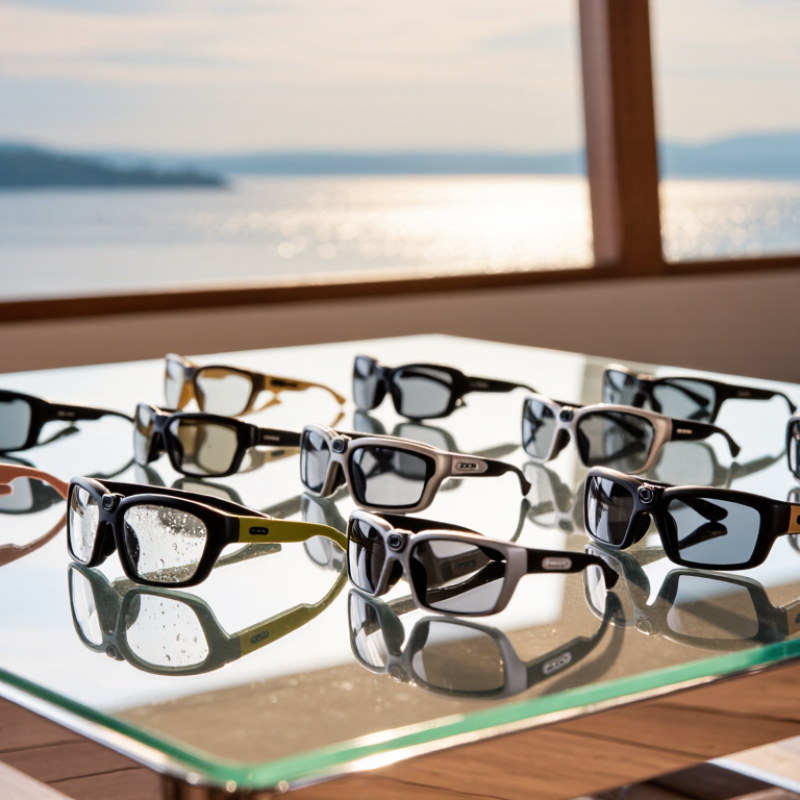
China Top 10 Fishing Video Glasses Suppliers?

China Fishing Video Glasses: Product Types, Components, and Use Cases

China Top 10 Fishing Video Glasses Suppliers?

China fishing video glasses generally fall into three product types: camera glasses, polarized display glasses, and recording glasses with removable storage. Camera glasses capture hands-free footage, while display glasses show depth, maps, or underwater images from connected equipment. Recording models suit anglers who want simple operation on boats, docks, or riverbanks.

Key components include a wide-angle lens, image sensor, battery, waterproof housing, microphone, and wireless module.

Polarized lenses can reduce surface glare, but excessive tint may weaken visibility at dawn.

A reliable supplier should provide sample testing, lens specifications, battery cycle data, and clear ingress protection details. Ask for footage taken in bright sun, cloudy weather, and moving water. Factory claims are useful, but field evidence matters more. Some specifications still look impressive on paper and disappointing in use.

Tips: Check nose-bridge comfort with a hat. Test buttons with wet fingers. Confirm storage compatibility and charging time. Ask whether replacement lenses and seals are available. Use a secure strap near fast water. Image stabilization helps from a moving boat, although it cannot fix every shake. Buyers should review export documents, quality records, and inspection procedures. A practical trial may reveal poor audio, delayed recording, or fogging that product photos never show.

Map 10 China Suppliers by OEM/ODM Scope, Factory Role, and Product Range

China’s fishing video glasses supply base is easier to assess when mapped by factory role. Supplier A focuses on direct OEM assembly for standard camera glasses. Supplier B offers ODM changes, including frame color, button layout, and package design. Supplier C supplies optical frames and basic recording modules. Supplier D integrates low-light cameras with compact batteries. Supplier E concentrates on polarized lenses and outdoor frame molding. Supplier F handles private-label orders through an export coordination team. Supplier G produces small batches for testing. Supplier H combines lens coating, electronics assembly, and final inspection. Supplier I provides budget models with fixed hardware. Supplier J supports deeper development, including custom molds and firmware adjustments.

Product range differs sharply. Some factories offer only one frame shape. Others provide sports frames, prescription-compatible designs, charging cases, and spare nose pads. During sourcing work, I would request raw sample footage, not only catalog photos. Check skin comfort after two hours. Test buttons with wet fingers. Measure recording time in cool and warm conditions. Ask for battery reports and lens-transmission data. A supplier claiming waterproof performance should provide a test method and rating details. Factory visits also matter. A clean assembly line is useful evidence, but it does not prove stable production. That part is often overlooked. Confirm who owns the tooling, who controls software updates, and who accepts defective units. Some suppliers look like manufacturers but mainly coordinate outside workshops. That is not automatically a problem, though communication can become slower and less precise.

Compare Imaging Specs: 1080p at 30 fps, Storage, Battery, and Viewing Needs

When comparing China’s top 10 fishing video glasses suppliers, treat “1080p at 30 fps” as a starting point, not proof of clear footage. Ask for a sample recorded outdoors and inspect moving water, fine fishing line, and shaded faces on a laptop. Small details expose compression quickly. Cisco’s Annual Internet Report (2018–2023) forecast that video would make up 82% of global IP traffic by 2022; it is a broad traffic forecast, not a camera-quality benchmark. Still, it underlines why usable video and manageable files matter.

Request the recording bitrate, supported card capacity, and file format. At 8–12 Mbps, one hour of footage uses roughly 3.6–5.4 GB, before file-system overhead. That estimate is imperfect; actual settings vary. Ask suppliers to verify it with a timed recording. Battery claims need the same scrutiny. Request continuous-recording results with Wi-Fi, screens, and other features in the intended setup, then compare them with a full fishing session. Short tests can mislead. Check whether the glasses record while charging, but confirm the exact configuration and heat behavior.

Viewing needs differ. A buyer reviewing clips on a phone may value easy file transfer; an angler checking framing may prefer a clear preview and simple controls. For supplier comparisons, record frame rate, lens field of view, storage limits, tested battery runtime, and sample-video conditions in one table. Don’t overlook comfort: temple pressure and glare become obvious after hours outdoors. Ask for evidence, not just specifications.

China Top 10 Fishing Video Glasses Suppliers? - Compare Imaging Specs: 1080p at 30 fps, Storage, Battery, and Viewing Needs

Comparison note: The ten entries below are anonymous sourcing profiles and practical specification benchmarks, not verified supplier listings, rankings, or supplier-specific product claims. Confirm actual specifications, test samples, and compliance documents directly with each prospective supplier.

Profile Video benchmark Storage to request Battery benchmark Viewing / fit priority Best suited to Key verification question
Supplier Profile 01 1920 × 1080 at 30 fps; confirm recorded file resolution and frame rate. 32 GB removable microSD; ask for the supported card type and maximum capacity. Target 2–3 hours of continuous recording; request a measured test result. Wide, unobstructed forward view; secure fit for casting and shoreline use. Casual fishing trips and short recording sessions. Does recording continue while the glasses are connected to a power source?
Supplier Profile 02 1920 × 1080 at 30 fps; request sample footage in daylight and low light. 64 GB removable microSD; confirm whether the card is included. Target 3–4 hours; check runtime with video recording enabled. Lightweight frame and stable fit for extended wear. Longer daytime sessions from a boat or bank. What video bitrate and file format are used, and how large are typical files?
Supplier Profile 03 1920 × 1080 at 30 fps; verify that the frame rate is sustained rather than interpolated. 64 GB removable microSD; ask whether recording automatically splits large files. Target 2–3 hours; request battery capacity and a recording-runtime test. Adjustable nose pieces or equivalent fit options; low frame movement during casting. Anglers who need a more secure, customizable fit. Can the camera position be adjusted without shifting the glasses?
Supplier Profile 04 1920 × 1080 at 30 fps; check that audio and video remain synchronized. 32–64 GB removable microSD; confirm recording time at the product’s actual bitrate. Target 2–4 hours; test with audio recording enabled. Clear speech capture and comfortable temples; assess wind noise outdoors. Fishing videos with spoken commentary. Is the microphone built in, and can audio recording be turned off?
Supplier Profile 05 1920 × 1080 at 30 fps; request footage captured in changing light. 64 GB removable microSD; ask how the camera handles a full card. Target 2–3 hours; confirm whether low-battery recording files are finalized safely. Usable forward view at dawn or dusk; check lens glare and exposure behavior. Early-morning and late-evening fishing. How does exposure respond when moving between bright water and shade?
Supplier Profile 06 1920 × 1080 at 30 fps; inspect a sample for motion blur during casting. 64–128 GB removable microSD; obtain written confirmation of the maximum supported capacity. Target 3–4 hours; ask whether a replaceable or external battery option exists. Stable frame and practical controls that can be operated by touch. Frequent users who record several sessions each week. Can recording be started and stopped without using a phone app?
Supplier Profile 07 1920 × 1080 at 30 fps; verify image orientation and field of view in sample footage. 32–64 GB removable microSD; confirm compatibility with commonly available cards. Target 2–3 hours; request runtime figures at typical operating conditions. Balanced weight and secure fit when looking down at tackle or a landing net. Hands-free close-up capture while handling equipment. Does the camera angle capture the wearer’s normal downward viewing area?
Supplier Profile 08 1920 × 1080 at 30 fps; check for dropped frames in a continuous sample recording. 64 GB removable microSD; ask about file recovery after an unexpected power loss. Target 3–4 hours; verify with continuous recording rather than standby time. Comfort over prescription eyewear or availability of prescription-compatible options. Anglers who wear glasses or need extended wear comfort. Are prescription inserts or optical customization available, and what are the limits?
Supplier Profile 09 1920 × 1080 at 30 fps; confirm that footage can be transferred without proprietary software. 64 GB removable microSD; confirm whether files can be read through a standard card reader. Target 2–3 hours; ask for charging time and charging-port details. Simple controls and straightforward access to recorded files. Buyers prioritizing easy recording and file transfer. Which standard video formats and transfer methods are supported?
Supplier Profile 10 1920 × 1080 at 30 fps; request a production sample and compare it with the approved sample. 32–128 GB removable microSD, subject to device compatibility; request the supported-capacity specification. Target 2–4 hours; verify runtime across production samples. Consistent fit, camera alignment, and controls across units. Bulk sourcing where repeatable quality matters. Can the supplier provide a written inspection plan and sample-based quality checks?

Check Water Resistance: IPX7 Tests Immersion at 1 m for 30 Minutes (IEC 60529)

When reviewing China’s top 10 fishing video glasses suppliers, water resistance deserves careful attention. An IPX7 rating means the device can withstand immersion at one metre for 30 minutes under IEC 60529 test conditions. It does not mean unlimited protection in every fishing environment. Saltwater, mud, temperature changes, and repeated opening of charging covers can create different risks.

During supplier checks, request the original test report, test date, laboratory details, and product model number. The model on the certificate should match the glasses being shipped. Ask whether suppliers test assembled units, not only empty housings. A practical inspection can include sealed-cover checks, lens fogging observations, and a controlled immersion test with an unused sample. Never operate charging ports underwater. That sounds obvious, but rushed field teams sometimes forget it.

Look closely at gaskets around the camera, display, buttons, and battery compartment. Small gaps may appear after several fishing trips. IPX7 also does not confirm impact strength, buoyancy, or protection against corrosion. Suppliers should explain their saltwater cleaning process and replacement-parts policy. A reliable factory records failed samples instead of showing only perfect demonstrations. I would also compare video quality after moisture exposure, because a working screen can still show blurred footage. No test replaces careful handling, and one supplier’s report should not be treated as permanent proof of every production batch.

IPX7 Water-Resistance Reference for Fishing Video Glasses

Under IEC 60529, an IPX7 test evaluates protection against temporary immersion in water at a depth of up to 1 metre for 30 minutes. These standardized thresholds can be used as a technical reference when comparing water-resistant product specifications.

Assess Suppliers: CE/RoHS Documentation, MOQ, Samples, and Lead Times

China Top 10 Fishing Video Glasses Suppliers?

Supplier assessment must begin with evidence, not catalog photos. MarketsandMarkets projects the smart glasses market will grow from about US$1.6 billion in 2024 to US$6.4 billion by 2029. That growth attracts capable factories, but also incomplete compliance files. Request the EU Declaration of Conformity, RoHS test reports, EMC results, battery documentation, and product photographs showing markings. CE is not a quality certificate. It reflects the manufacturer’s conformity responsibility. Check report numbers, testing laboratories, model consistency, and document dates.

Samples reveal practical weaknesses quickly. Test recording stability beside moving water, microphone performance under wind, lens comfort, charging temperature, and waterproofing claims. One sample is rarely enough. Request two or three units from the same production batch. Compare serial labels and firmware versions. It is easy to overlook this.

Ask for the exact MOQ, sample fee, customization charge, and refund policy. A low MOQ may hide higher unit costs or limited component choices. Confirm whether packaging, logo printing, and app localization change the lead time. Typical sampling may require 7–15 days, while production often needs 20–45 days after approval. Add buffer time for battery and compliance testing. Some suppliers promise too much. That deserves a second question, not immediate rejection. Industry sourcing experience suggests written milestones are more reliable than chat assurances. Insist on pre-shipment inspection criteria, even when the order is small.

FAQS

What should I check when comparing suppliers of fishing video glasses?

Identify each factory’s role, product range, customization ability, and production responsibility.

Is 1080p at 30 fps enough to guarantee clear video?

No. It is only a starting point.

How much storage does one hour of recording require?

At 8–12 Mbps, one hour may use about 3.6–5.4 GB.

How can I verify the battery claim?

Request continuous-recording results with Wi-Fi, preview screens, and normal features enabled.

What comfort tests should buyers perform?

Wear the glasses for two hours and check temple pressure, glare, and nose-pad comfort.

What evidence should support a waterproof performance claim?

Ask for the testing method, protection rating, and test conditions.

Which customization options can factories usually provide?

Options may include frame colors, button layouts, packaging, custom molds, and firmware adjustments.

How should I evaluate storage and file transfer?

Ask about supported card capacity, file format, recording bitrate, and transfer methods.

What details should be recorded in a supplier comparison table?

Record field of view, frame rate, storage limits, tested runtime, and sample conditions.

Conclusion

This guide presents a practical framework for evaluating China Fishing Video Glasses suppliers and products. It explains the main product types, core components, and common use cases, including hands-free recording, outdoor observation, and first-person activity documentation. The supplier comparison focuses on OEM/ODM capabilities, factory roles, product coverage, customization options, and production resources, helping buyers identify partners that match their project requirements.

It also outlines key specifications such as 1080p recording at 30 fps, storage capacity, battery performance, file transfer, and viewing needs. For durability, buyers should verify water-resistance claims through appropriate IPX7 testing, which involves immersion at one meter for 30 minutes under IEC 60529 conditions. Finally, the guide recommends checking CE/RoHS documentation, MOQ policies, sample availability, production lead times, quality control procedures, and communication efficiency before placing an order.

Oliver

Oliver

Oliver is a professional marketing specialist with a deep understanding of the company’s products, services, and long-term development goals. With a strong background in market research, content strategy, and customer communication, he is committed to presenting complex product information in a......