CE Certified Smart Cycling Video Glasses Lineup
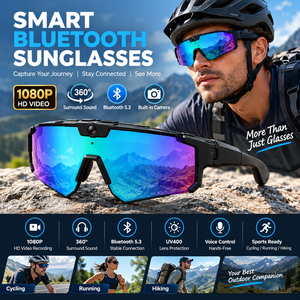
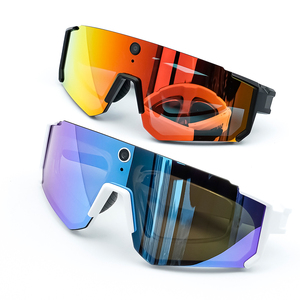
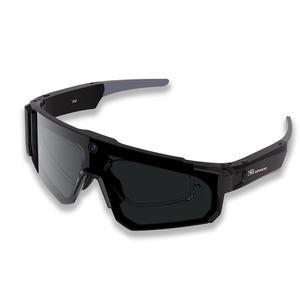
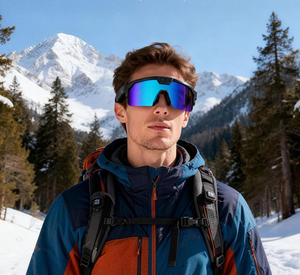
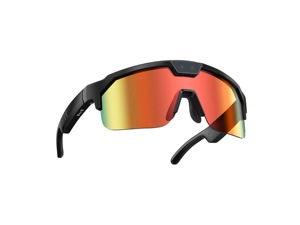
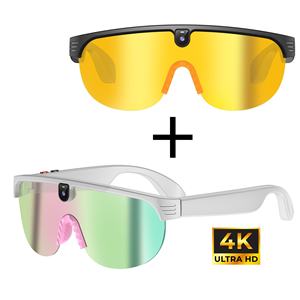
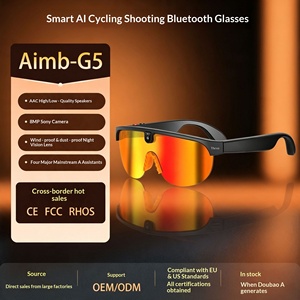
Direct-from-factory smart video recording eyewear engineered for cycling, outdoor athletics, real-time AI translation, and hands-free point-of-view capture.

1. Technical Blueprint: CE Certification & Regulatory Compliance for B2B Eyewear Sourcing
Entering the European Union and global markets with wearable consumer electronics requires rigorous adherence to safety, optical, electromagnetic, and environmental standards. When sourcing from CE Certified Cycling Video Glasses Factories, global procurement officers and brand owners must look beyond simple cosmetic features and evaluate core structural compliance.
Conformité Européenne (CE) marking is not merely a logo stamp; it represents a comprehensive suite of mandatory directives that ensure user health, safety, and radio frequency harmony. A compliant OEM/ODM smart eyewear manufacturing plant operates under the following technical frameworks:
A. Radio Equipment Directive (RED 2014/53/EU)
Modern cycling camera sunglasses feature multi-protocol wireless stacks, including Bluetooth 5.2/5.3 for dual-channel audio/call streaming and 2.4GHz/5GHz Wi-Fi modules for high-speed high-definition point-of-view (POV) video file offloading. Under RED 2014/53/EU, factories must certify that radio frequency emissions do not exceed Specific Absorption Rate (SAR) limits for human head exposure, while preventing interference with surrounding cellular networks, GPS receivers, and bike telemetry systems.
B. Personal Protective Equipment (PPE Regulation EU 2016/425) & EN ISO 12312-1
Because cycling video glasses function simultaneously as protective action eyewear, lens optical clarity, impact resistance, and solar radiation filtering are non-negotiable. Standard CE-certified factories validate tint uniformity, prismatic power, UV400 attenuation (blocking 99%+ of UVA/UVB light between 280nm-400nm), and high-velocity impact resilience (preventing lens shattering during high-speed road bike or mountain bike collisions).
C. Electromagnetic Compatibility (EMC Directive 2014/30/EU) & RoHS/REACH
High-resolution video sensors (8MP/12MP) coupled with high-frequency microprocessors generate internal electromagnetic radiation. CE compliance guarantees robust shielding so that internal cameras, microphone arrays, and touch sensor ICs operate smoothly without video noise or audio buzzing. Furthermore, chemical testing ensures skin-contact materials—such as hypoallergenic TR90 memory frames and silicone nose pads—are entirely free of hazardous phthalates, heavy metals, or restricted hazardous substances (RoHS 2.0 / REACH).
2. Hardware Standardizations Across Modern Smart Video Eyewear
When auditing factory specifications, commercial buyers should compare sensor resolution, optical stabilization, battery architecture, and thermal dissipation mechanisms. The table below illustrates standard technical thresholds across tier-1 manufacturing facilities:
| Performance Specification | Entry-Level HD Eyewear | Pro-Grade Sports Camera Eyewear | Enterprise AI Smart Eyewear |
|---|---|---|---|
| Video Resolution | 1080P @ 30 FPS | 1080P @ 60 FPS / 1200P HD | 4K / 1200P Dynamic HDR |
| Camera CMOS Sensor | 5 Megapixels | 8 Megapixels (Sony / CMOS) | 12 Megapixels AI Anti-Shake |
| Image Stabilization | Basic Software Crop | 6-Axis Hardware Gyro + EIS | AI Real-Time Optical EIS |
| Frame Material | Standard PC / ABS | Swiss EMS TR90 Ultra-Light | TR90 + Titanium Alloy Hinge |
| Audio Hardware | Mono Mic + Micro Speaker | Dual Mic Noise Reduction + Open-Ear | 360° Surround Sound + Voice AI |
| Charging Mechanism | Micro-USB / Standard USB-C | USB-C Fast Charging | Magnetic Quick-Connect Dock |
| CE Certification Package | EMC, LVD, RoHS | RED, EN ISO 12312-1, SAR, EMC | RED, EN ISO 12312-1, FCC, Telec |
3. Enterprise Manufacturing Strengths & Factory Operational Blueprint
Original Equipment Manufacturers (OEM) and Original Design Manufacturers (ODM) specializing in smart optical wearables require multi-disciplinary engineering capabilities. Unlike traditional sunglasses factories, a specialized smart eyewear facility integrates semiconductor assembly, micro-acoustics, optical alignment, and software flashing into a streamlined production environment.
Primary Enterprise Pillars of Tier-1 Eyewear Factories
- Cleanroom Optical Assembly: Camera sensor module placement and lens alignment occur in Class 10,000 dust-free cleanrooms to eliminate micro-dust particles on image sensors.
- SMT Electronics Production: High-precision Surface Mount Technology (SMT) lines assemble double-sided ultra-compact mainboards customized to fit tightly inside curved frame temples.
- IPX4 to IPX6 Waterproof Testing: Cycling environments involve heavy sweat, sudden rain showers, and muddy trail splash-back. Standardized factories utilize automated pressure testing chambers to verify seal integrity along silicone micro-gaskets and microphone ports.
- Thermal Engineering & Heat Dissipation: Continuous 1080P or 1200P video recording generates thermal loads near the user's temples. Factories deploy internal graphite heat spreaders and aluminum heat sinks to maintain exterior temple temperatures below 40°C during extended recording sessions.
- End-to-End Quality Assurance (ISO9001): Every device undergoes rigorous drop tests, hinge durability cycles (>10,000 flexes), environmental aging, and battery safety testing before boxing.
Partnering with factories that offer comprehensive domestic and overseas support—such as local warehouse stock fulfillment, streamlined 30-day inspection windows, and 1-year limited manufacturing warranties—drastically minimizes supply chain risk for brands and distributors operating across North American and European channels.
4. Procurement Trends & Technology Roadmap (2026-2030)
The global market for smart cycling glasses is shifting rapidly from passive video capture devices toward context-aware personal sports assistants. Procurement teams planning their product lines for upcoming seasons should monitor four primary market trends:
A. Real-Time AI Translation & Voice Assistants
Integration of real-time multi-language AI translation engines enables international cycling teams and global sports enthusiasts to translate spoken communications directly into open-ear audio speakers. Integrated AI algorithms allow cyclists to trigger video capture, request turn-by-turn navigation overlay, or adjust audio tracks via hands-free voice commands, ensuring hands remain securely on the handlebars.
B. Micro-OLED Heads-Up Displays (HUD)
Next-generation smart eyewear is evolving to merge camera capture with subtle transparent HUD optics. Cyclists can view real-time telemetry—such as riding speed, heart rate, cadence, and GPS direction vectors—projected directly onto the lens field without distracting from road safety.
C. Advanced Electronic Image Stabilization (EIS) & Anti-Shake Algorithms
Road vibrations and off-road trail chatter present significant challenges for head-mounted video cameras. Enterprise factories are implementing 6-axis gyroscopic sensors combined with deep-learning AI image stabilization to yield smooth, cinema-grade 1080P/1200P POV clips suitable for social media vlogging and sports analytics.
D. Modular Lens Systems & TAC Polarized Technologies
Versatility across changing light conditions is essential for cyclists. Sourcing trends prioritize quick-release lens frames that allow riders to switch between clear anti-blue light lenses for night rides, photochromic lenses for shifting solar intensity, and polarized Triacetate Cellulose (TAC) UV400 lenses for high-glare daytime environments.
5. Frequently Asked Questions (FAQ) for B2B Procurement & Sourcing
Navigating the technical and commercial requirements of custom smart camera eyewear manufacturing involves answering critical questions regarding compliance, MOQ, and branding customization.
What is the typical lead time for OEM custom orders?
Standard lead times for customized logo printing and branded packaging on existing CE-certified frames range from 15 to 25 business days. Full ODM projects involving custom industrial design, PCB redesign, and mold creation typically require 60 to 90 days.
How do CE certifications safeguard brand importers?
CE certification documentation (including official lab test reports for RED, EMC, LVD, and EN ISO 12312-1) ensures seamless customs clearance at EU ports and insulates importers against product liability claims, safety recalls, and regulatory fines.
What battery capacity and runtime can be expected?
Smart camera glasses utilize specialized curved lithium-polymer batteries ranging between 150mAh to 300mAh per temple. This configuration typically yields 75 to 120 minutes of continuous video recording or up to 6 hours of continuous Bluetooth audio playback.
How is data privacy handled during recording?
Compliant hardware includes front-facing LED recording indicators that illuminate whenever video capture is active. This transparent visual signal alerts surrounding individuals, satisfying European privacy mandates and responsible recording guidelines.
Partner with a Leading CE Certified Eyewear Manufacturer
Access direct wholesale pricing, complete CE/FCC/RoHS compliance certification packages, and dedicated OEM/ODM engineering support for your brand's smart sports wearable line.
Get a Quote